

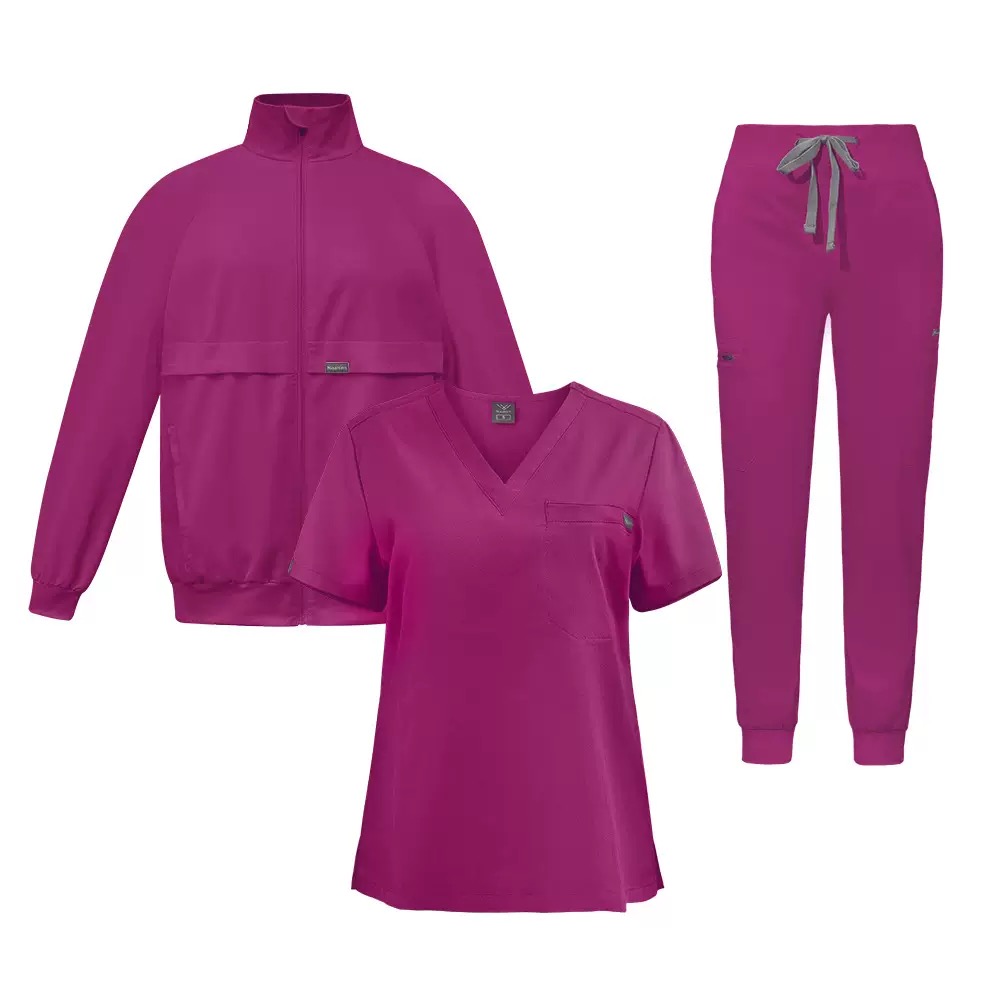
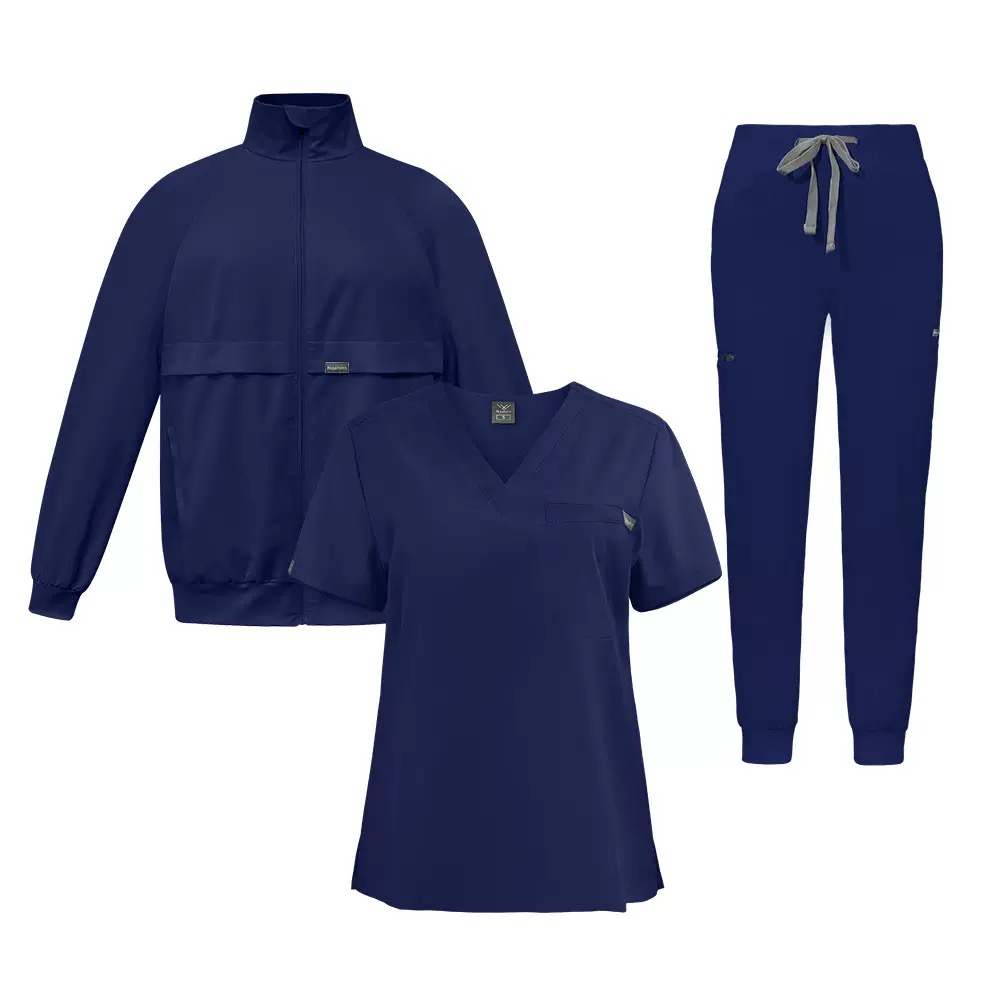
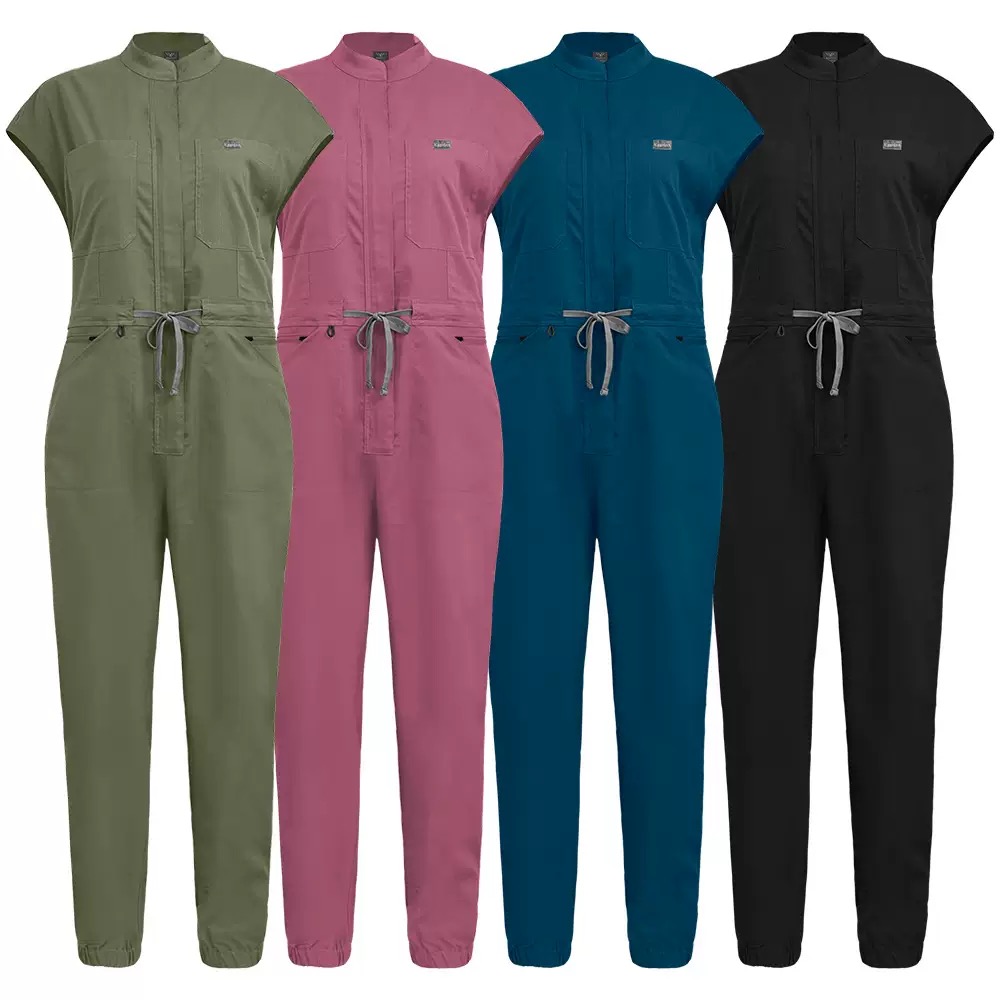
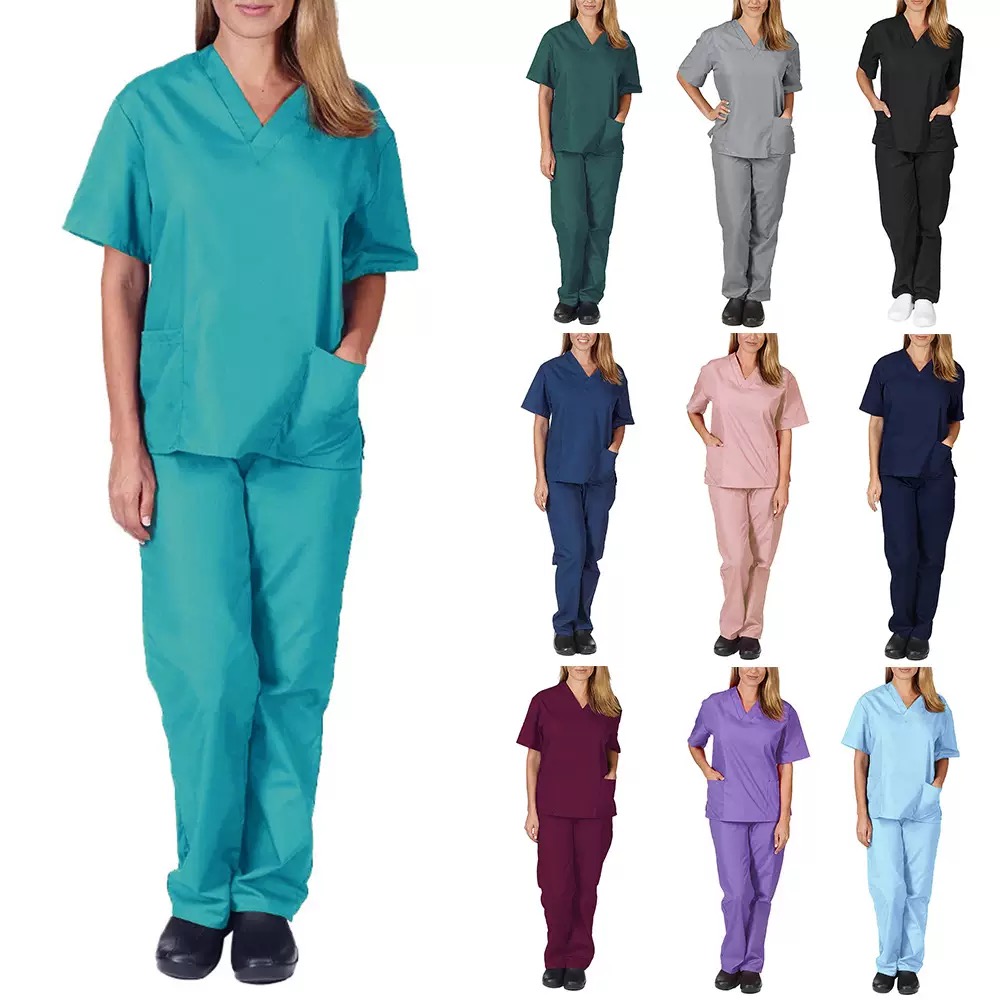
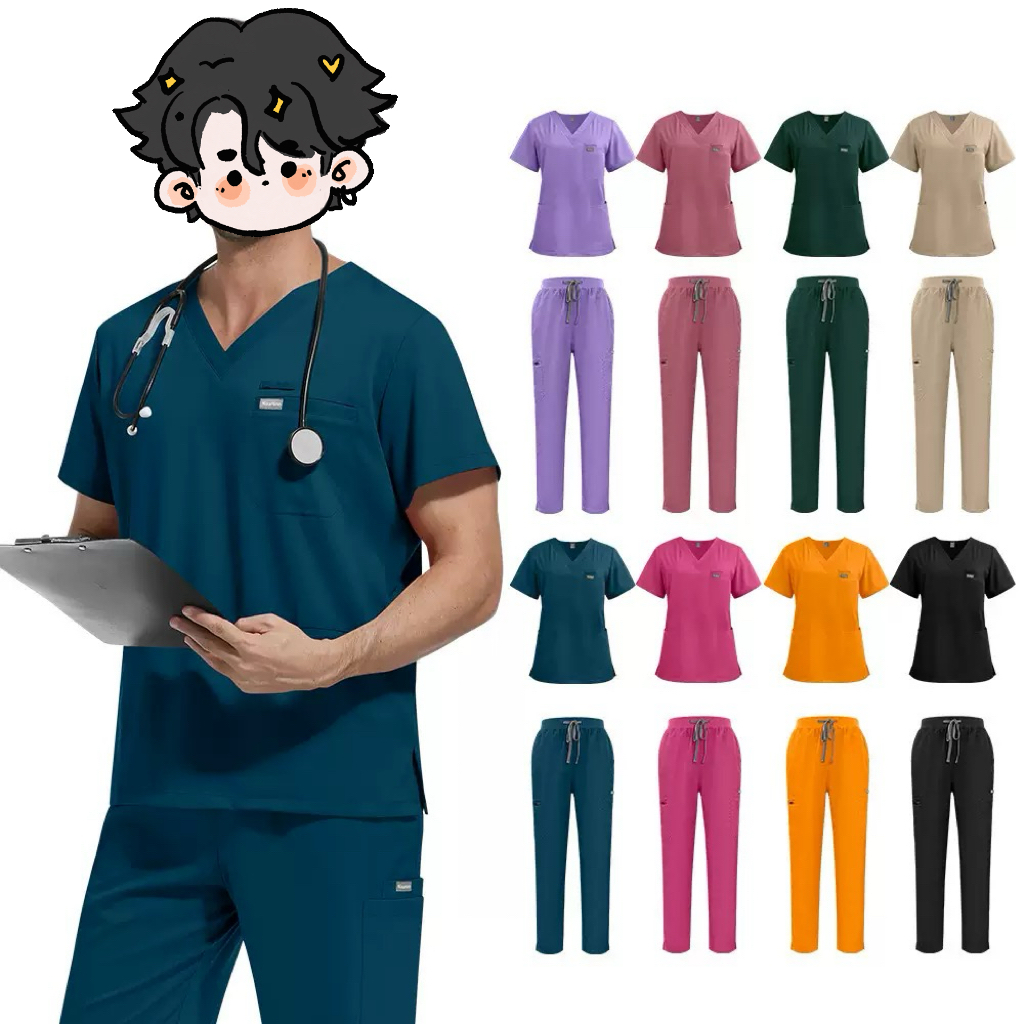
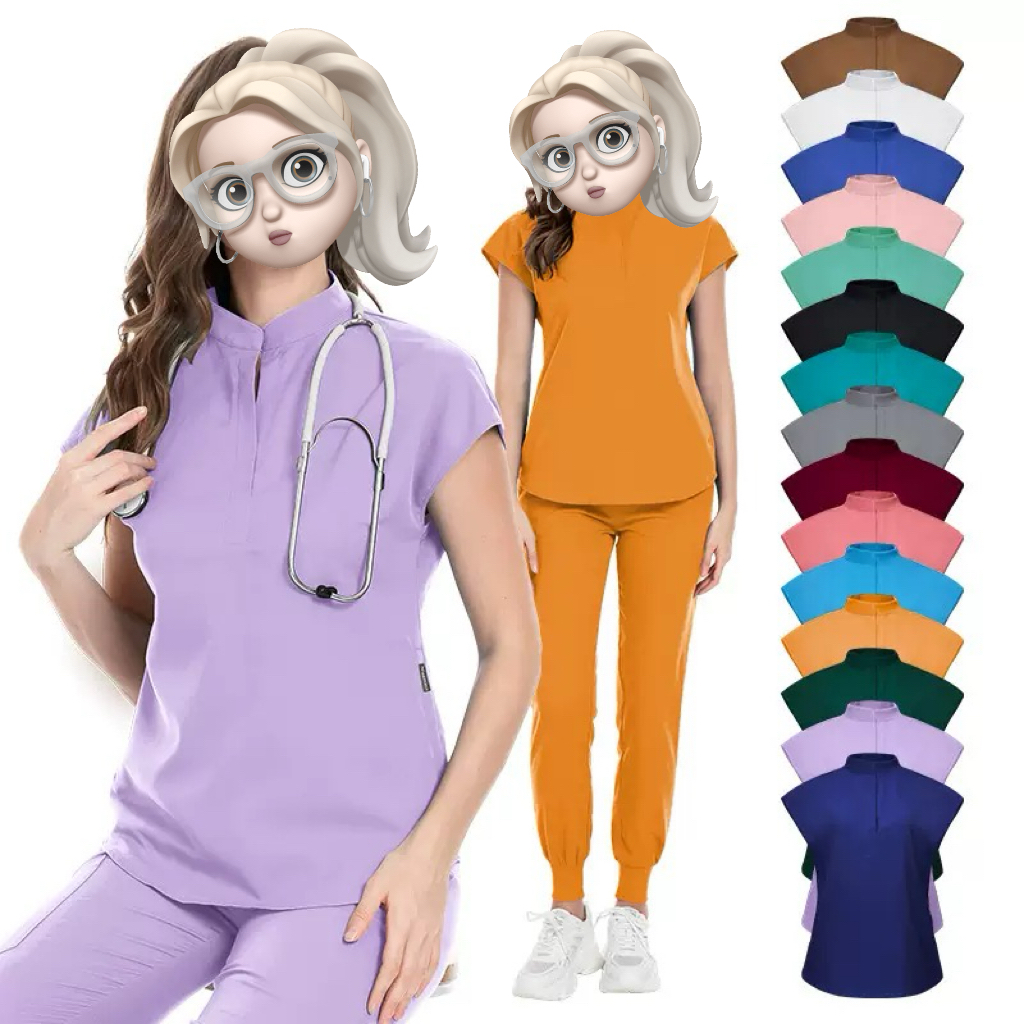
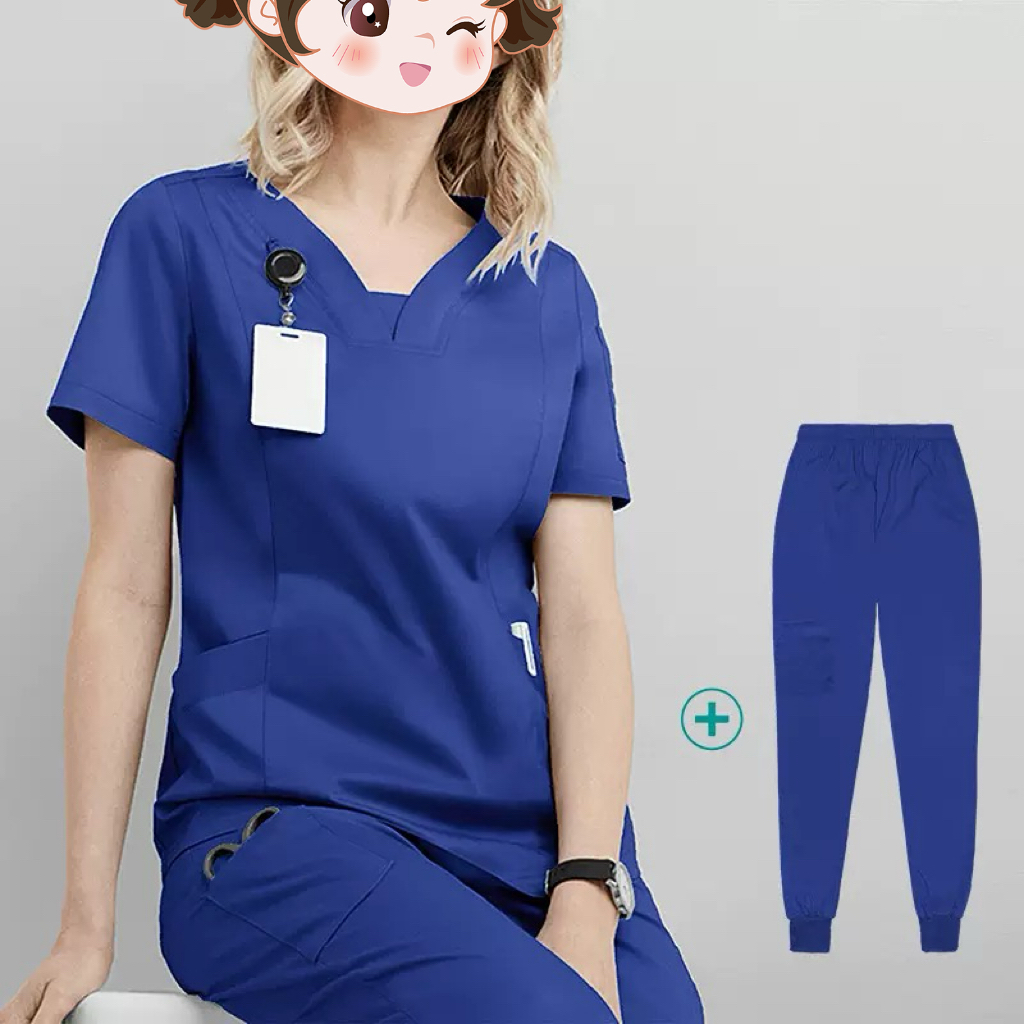
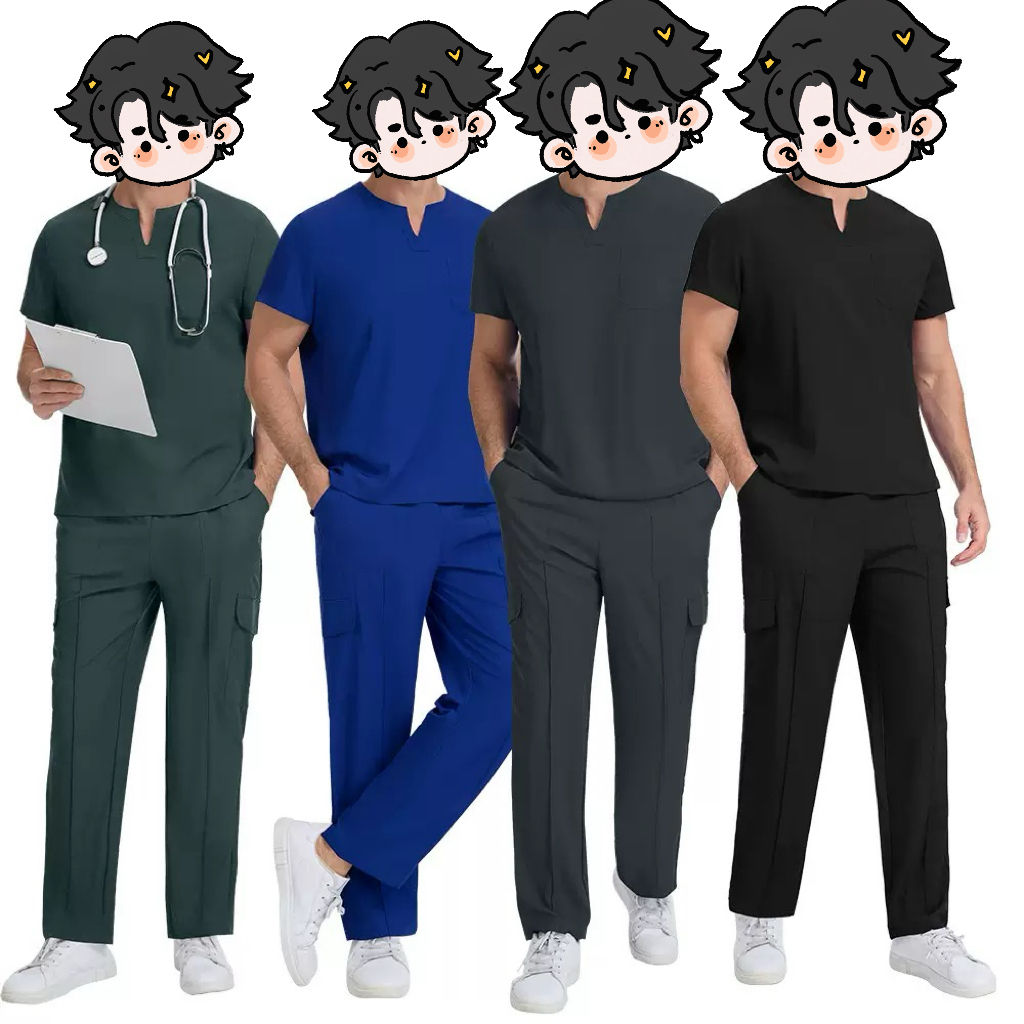
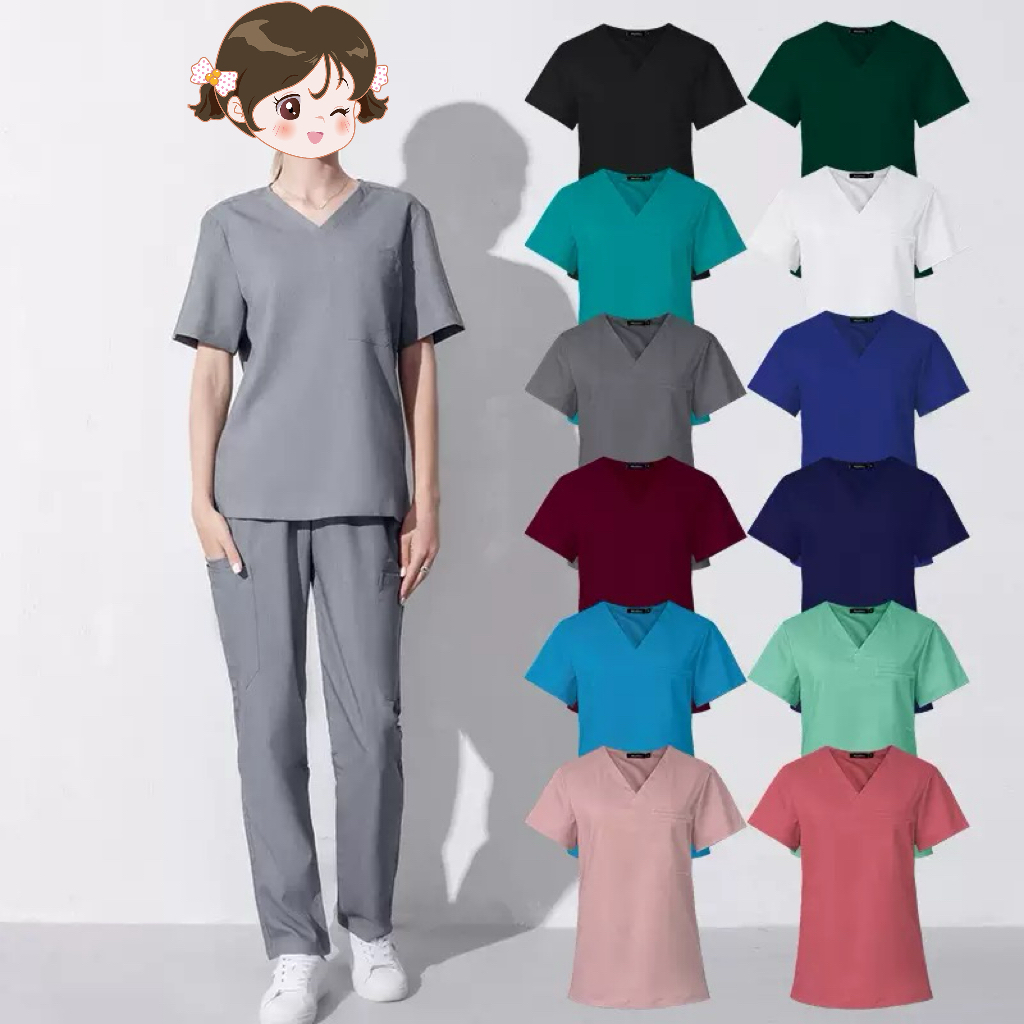
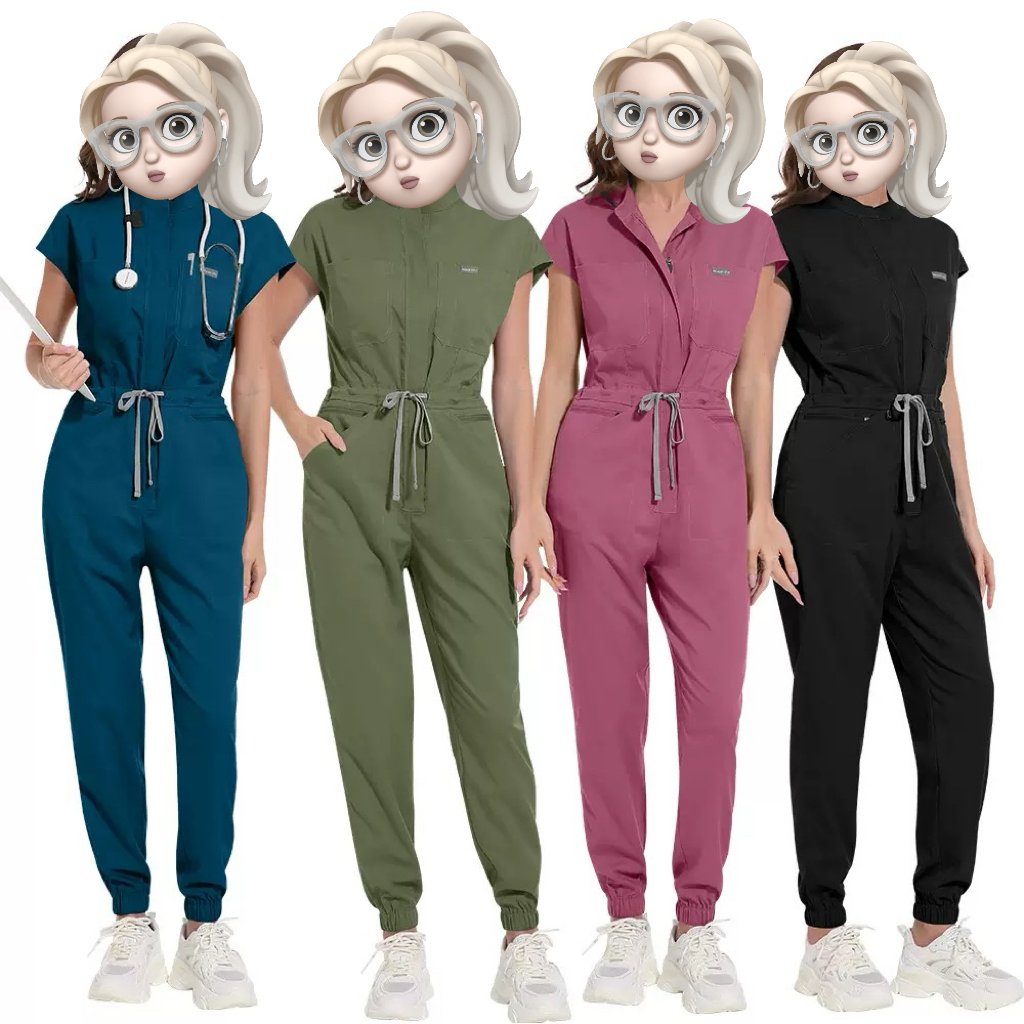
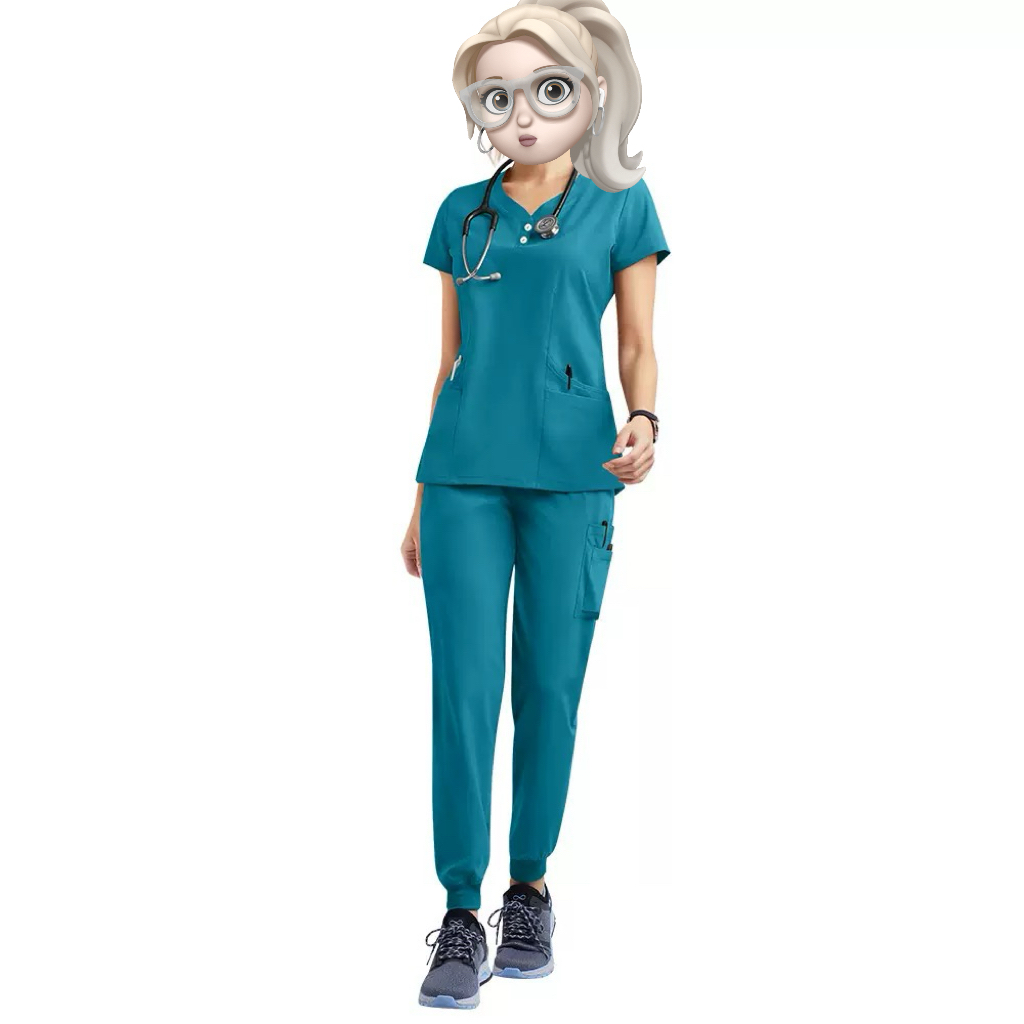
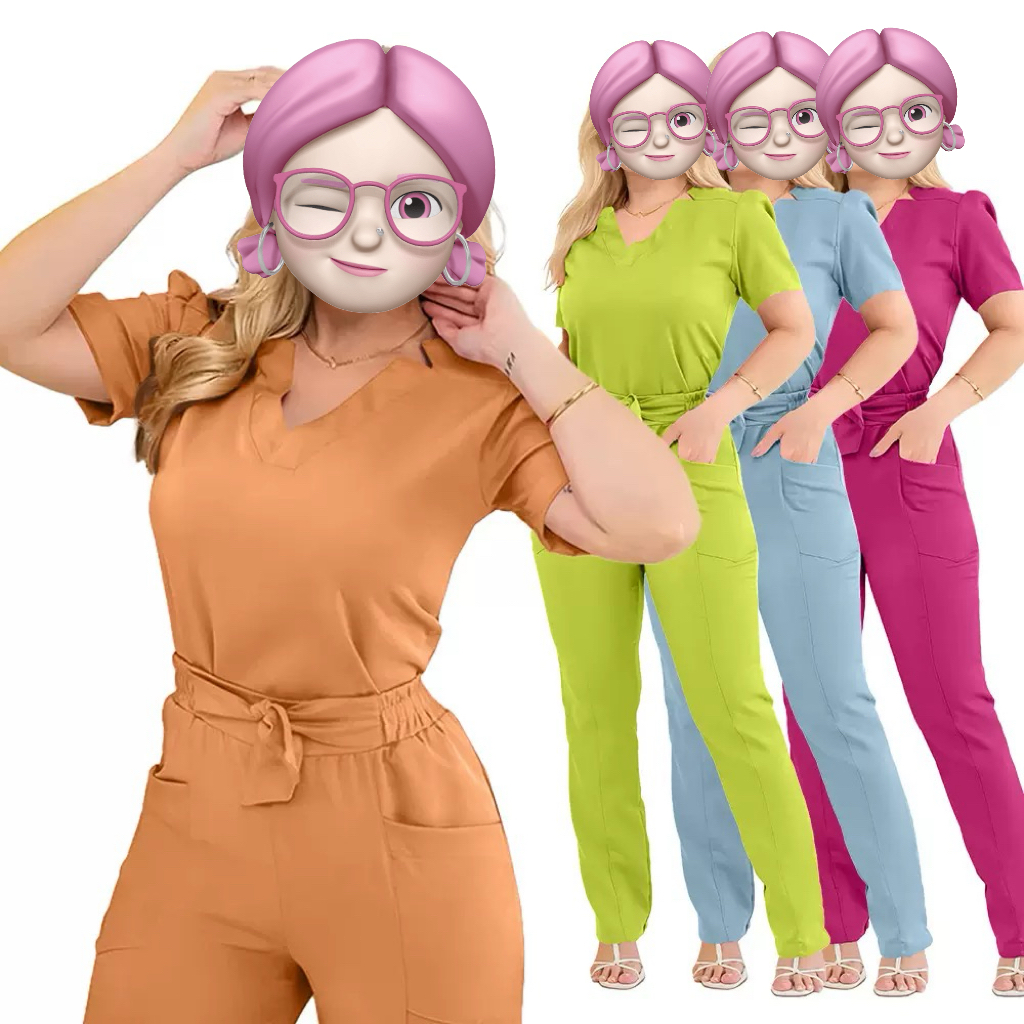
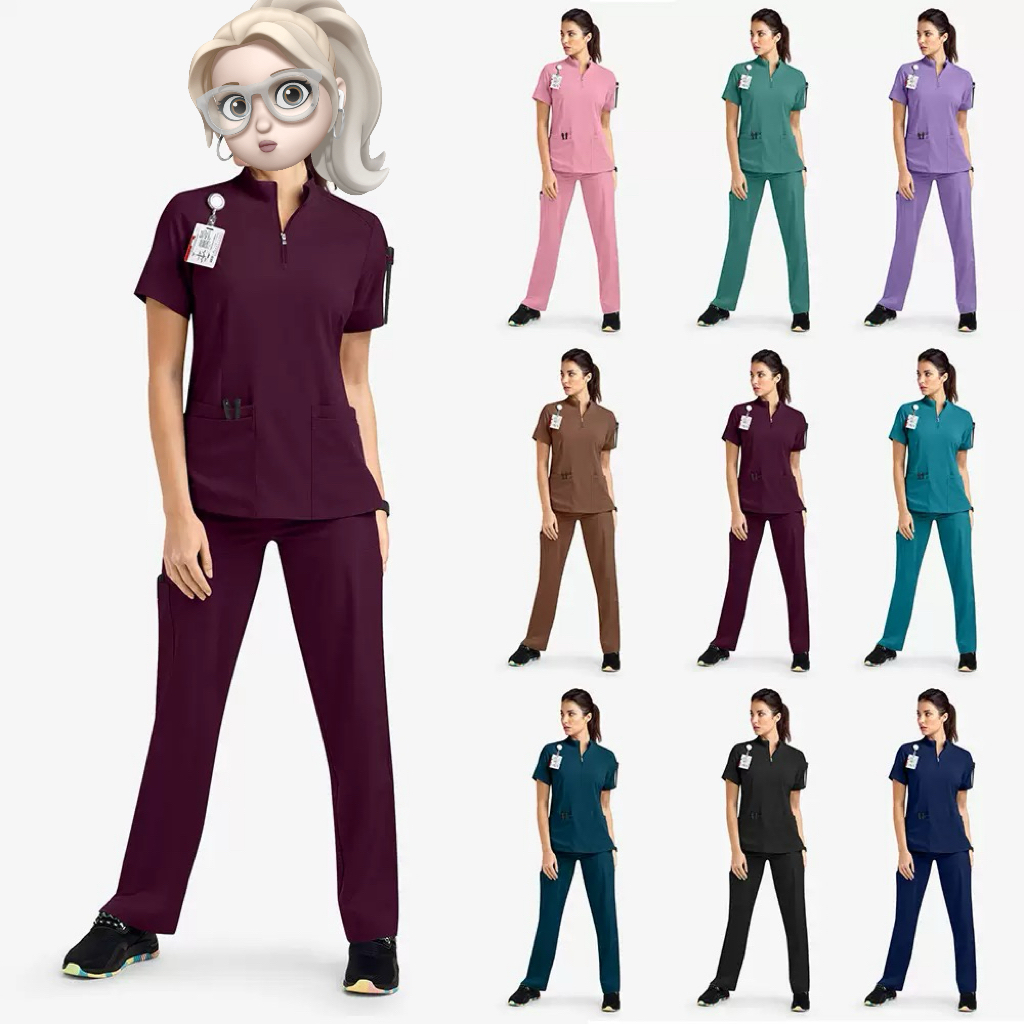
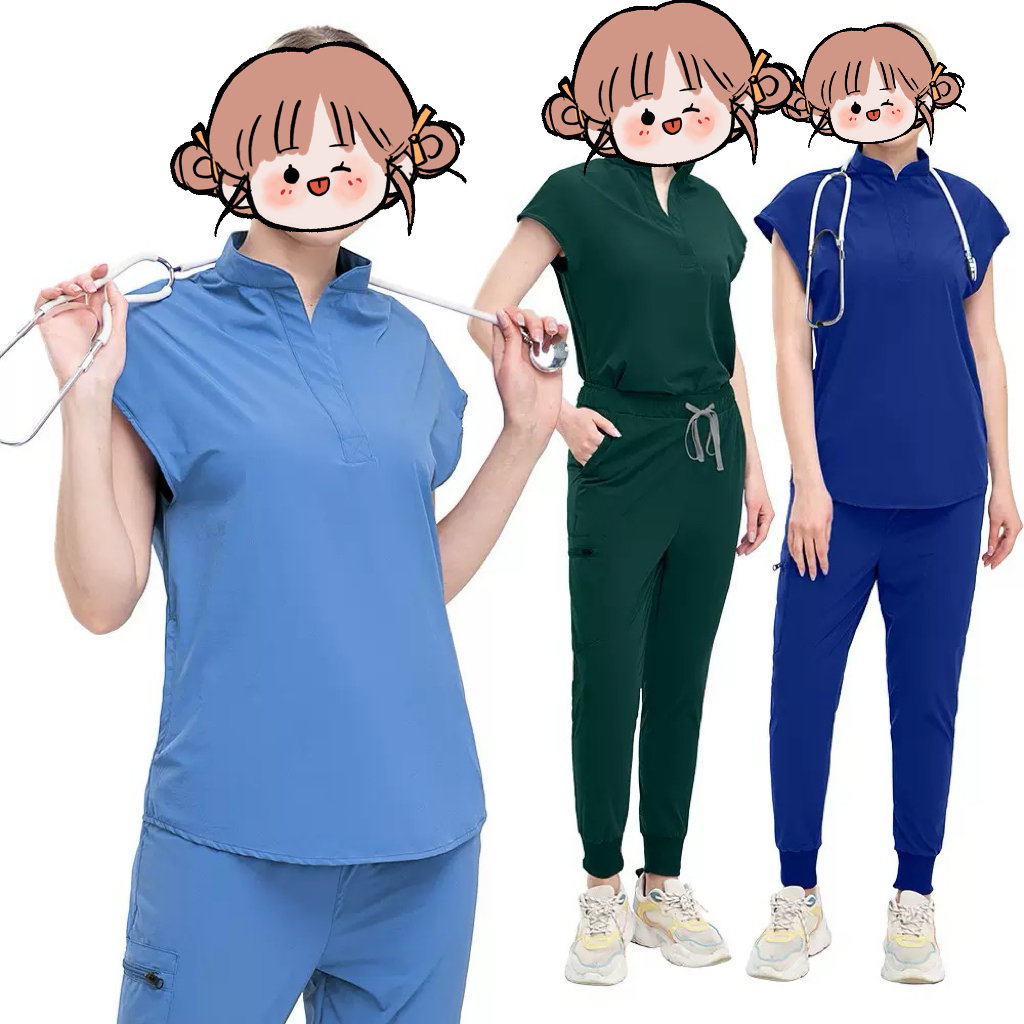
1. Advanced Materials & Fabric Technology
Modern medical clothing prioritizes durability and hygiene through specialized textile engineering:
-
Antimicrobial Fabrics: Many premium scrubs are treated with silver ions or specialized coatings to inhibit the growth of bacteria and reduce odors.
-
Fluid-Barrier Technology: Fabrics with liquid-repellent properties protect staff from splashes of blood or bodily fluids while remaining breathable.
-
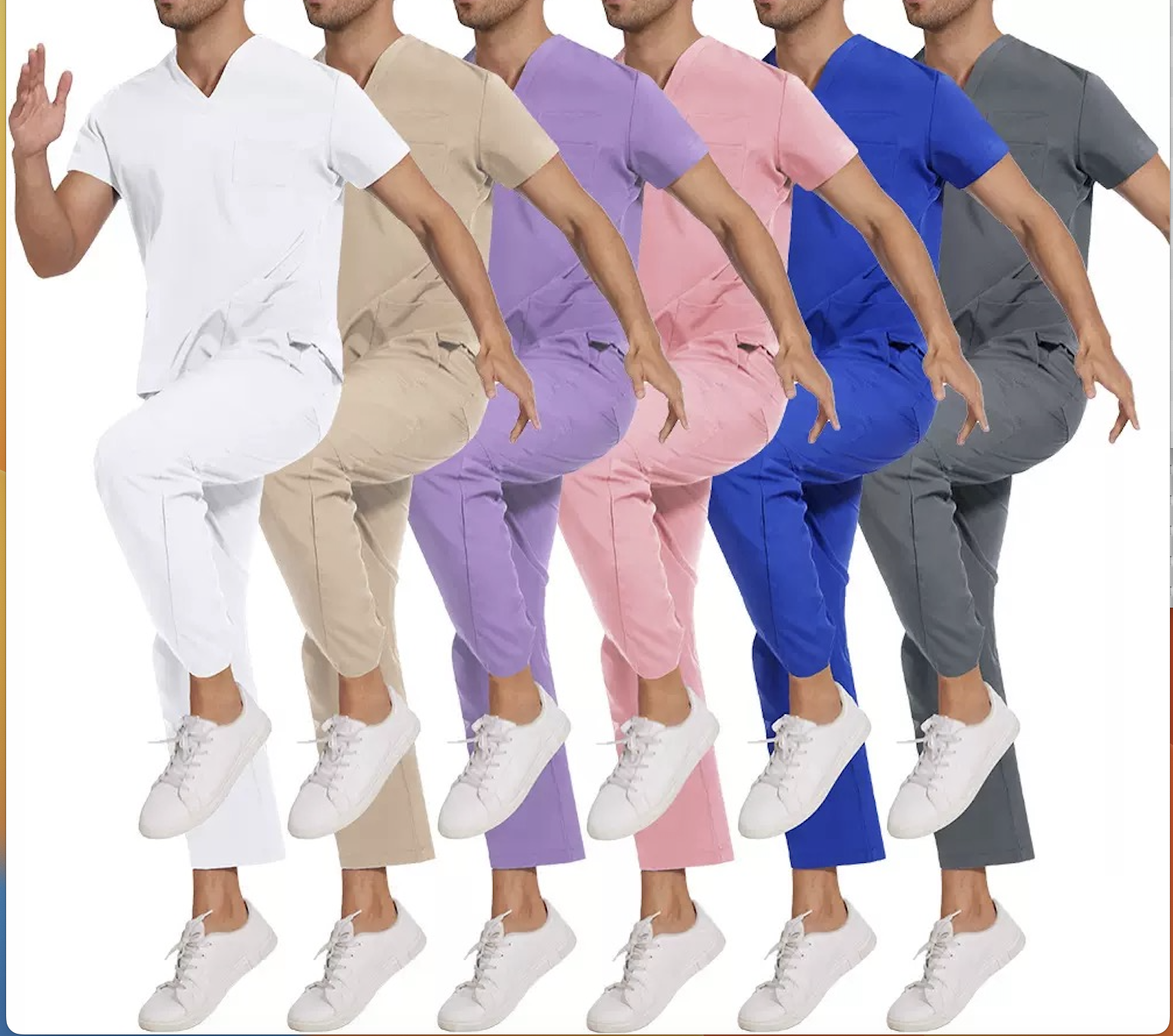
Four-Way Stretch: A blend of Polyester, Rayon, and Spandex allows for maximum range of motion—essential for bending, lifting, and sprinting during emergencies.
-
Moisture-Wicking: Engineered to pull sweat away from the body, keeping clinicians cool during long, high-pressure shifts.
2. Key Product Categories
Medical apparel is categorized based on the specific needs of the clinical environment:
| Category | Typical Items | Purpose |
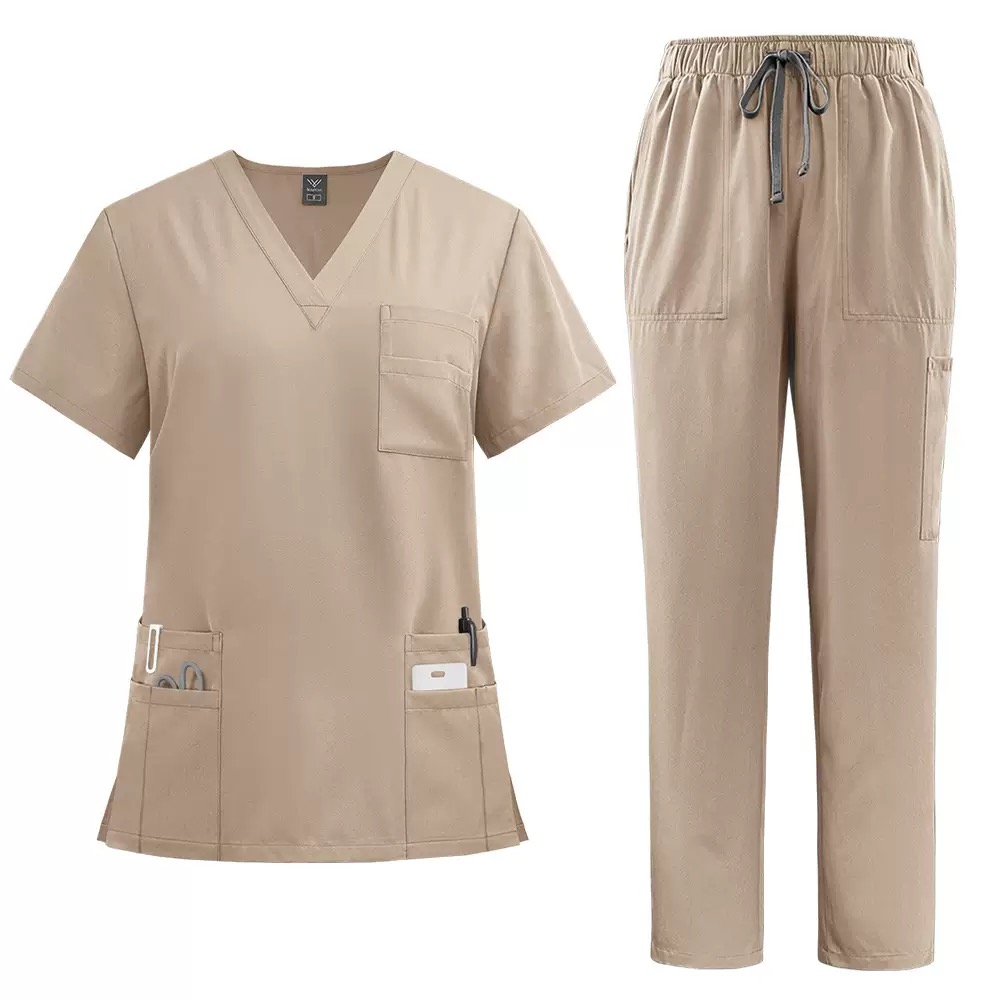
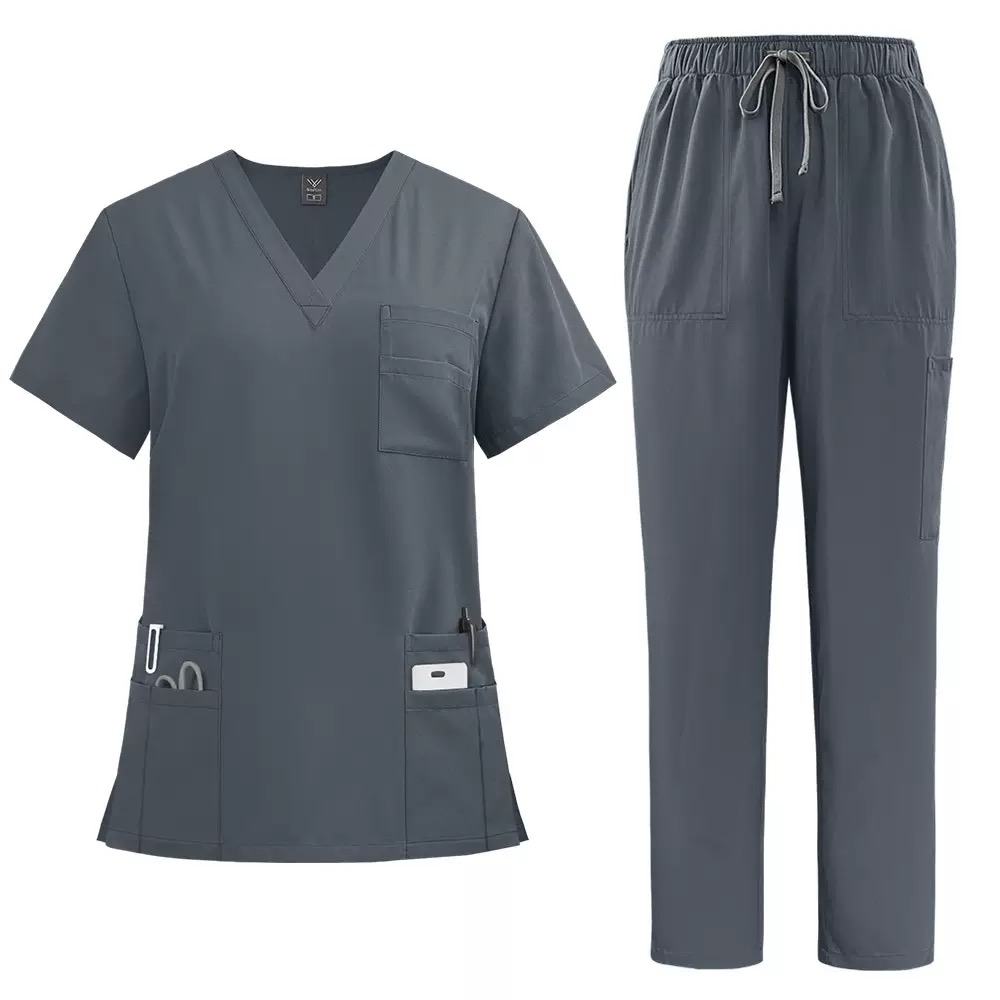
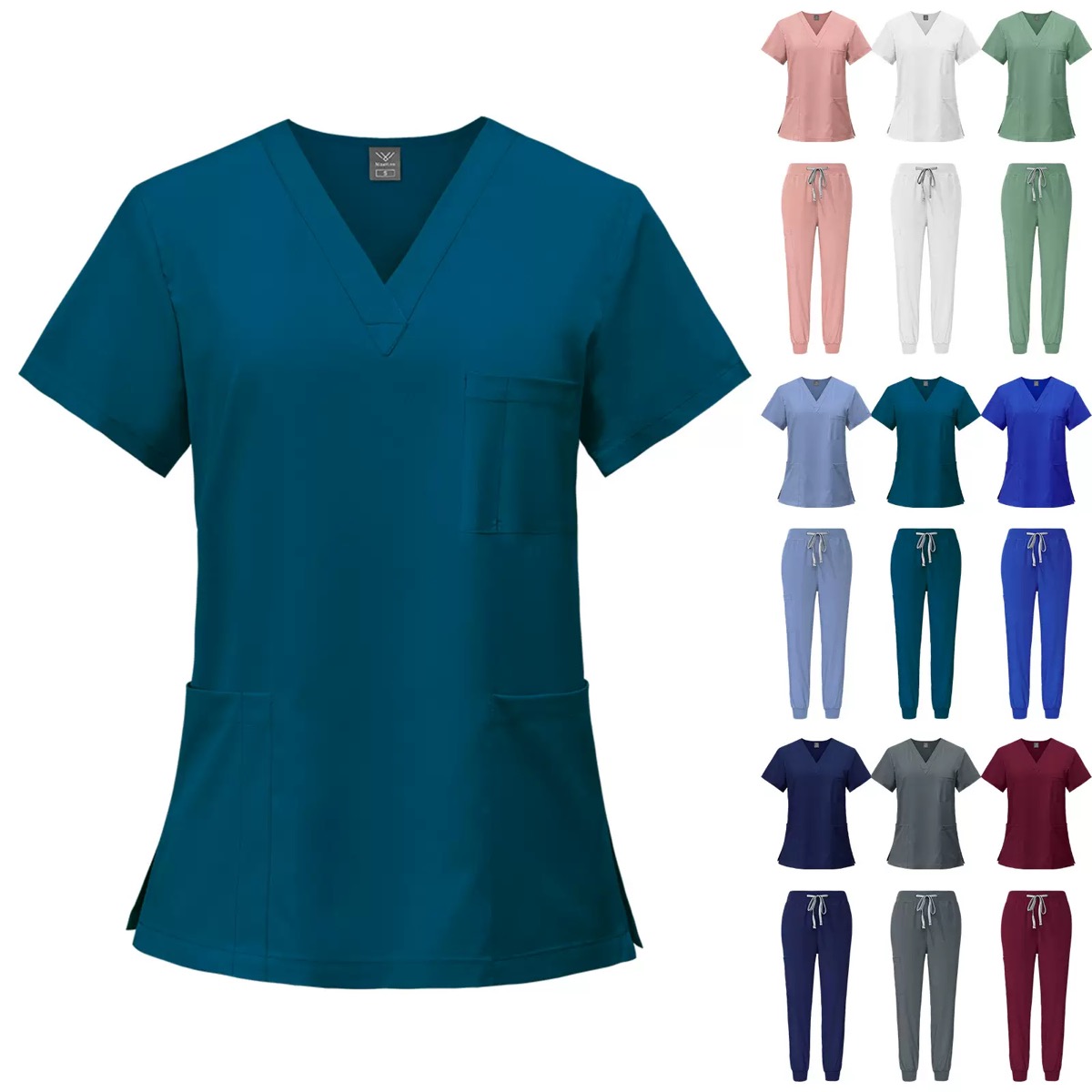
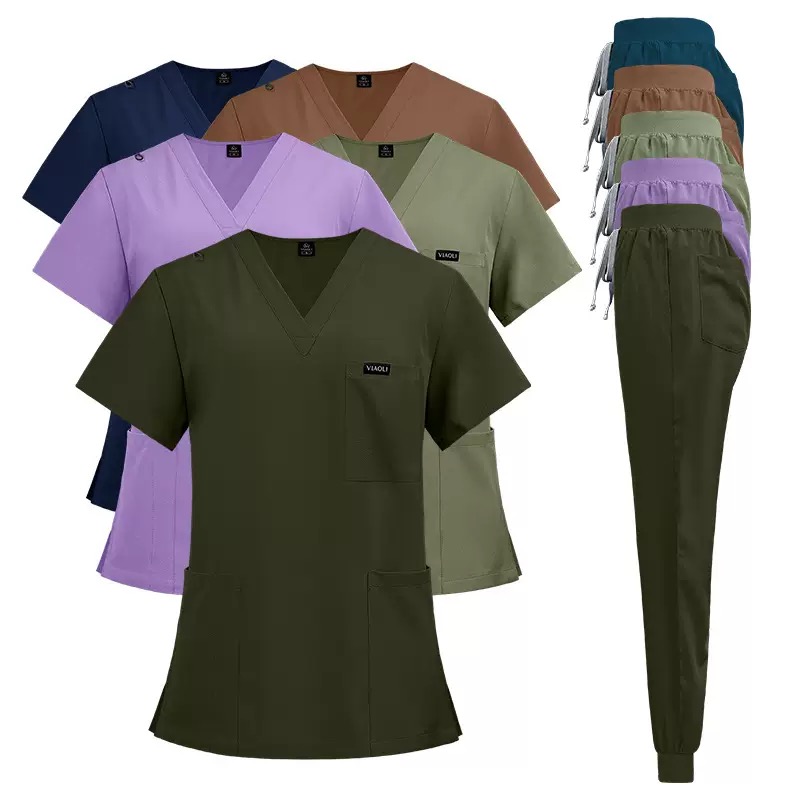
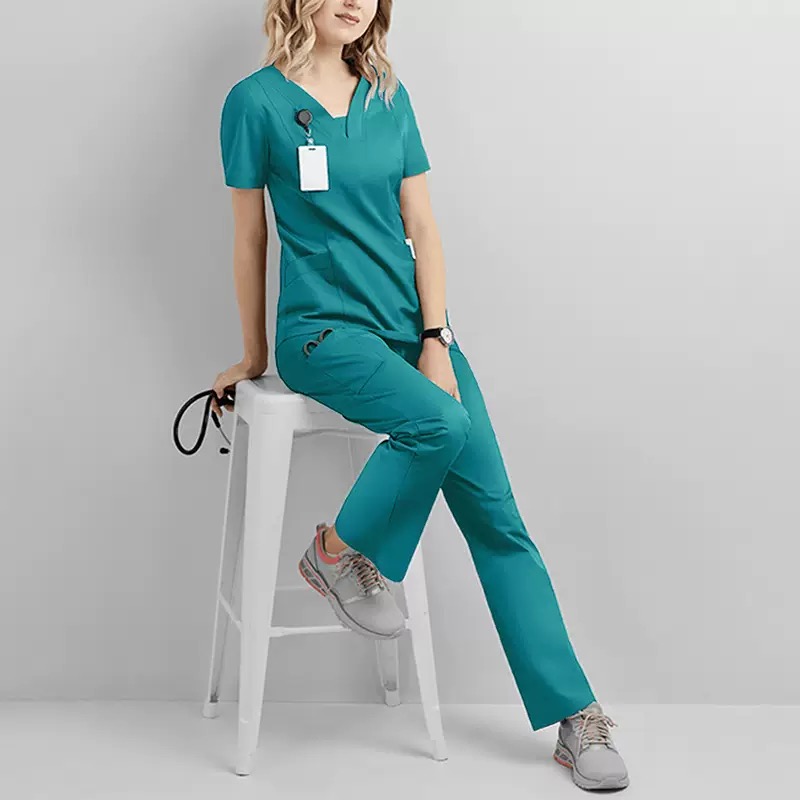
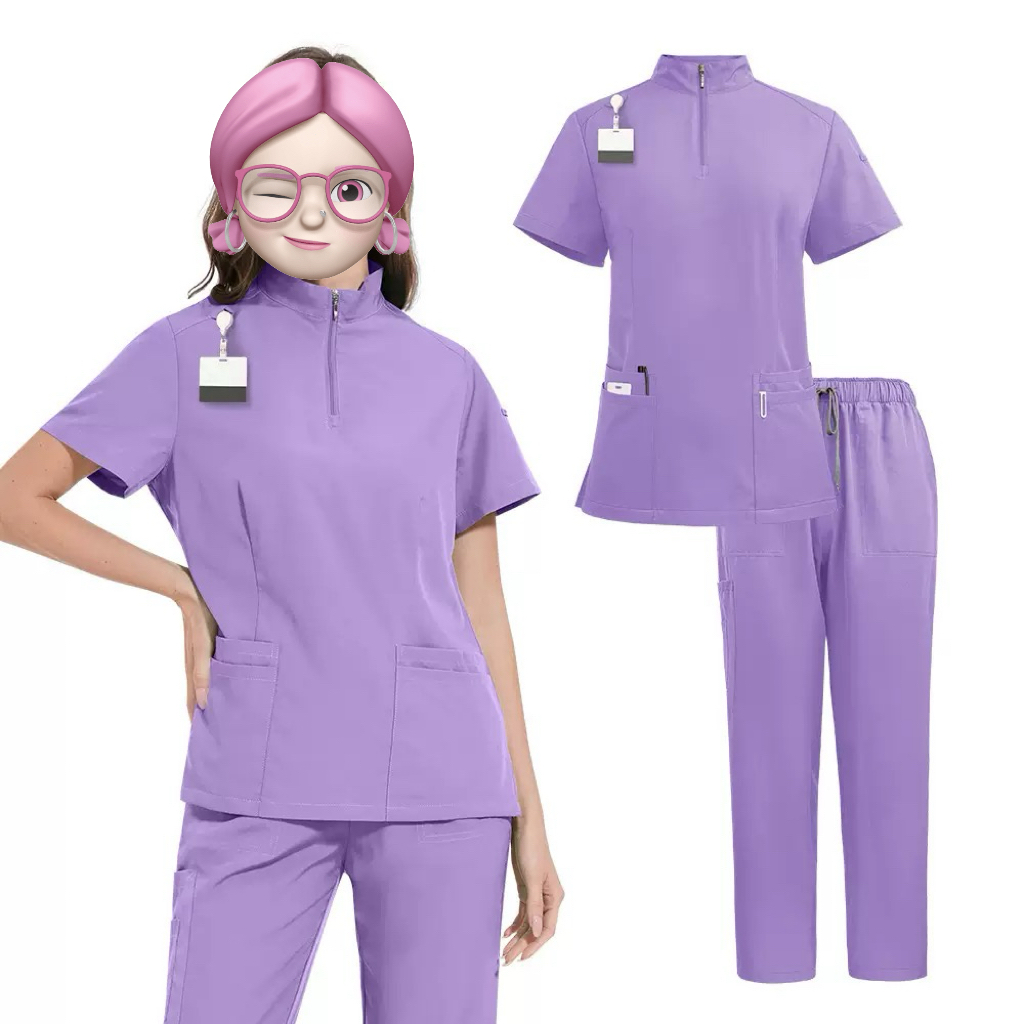
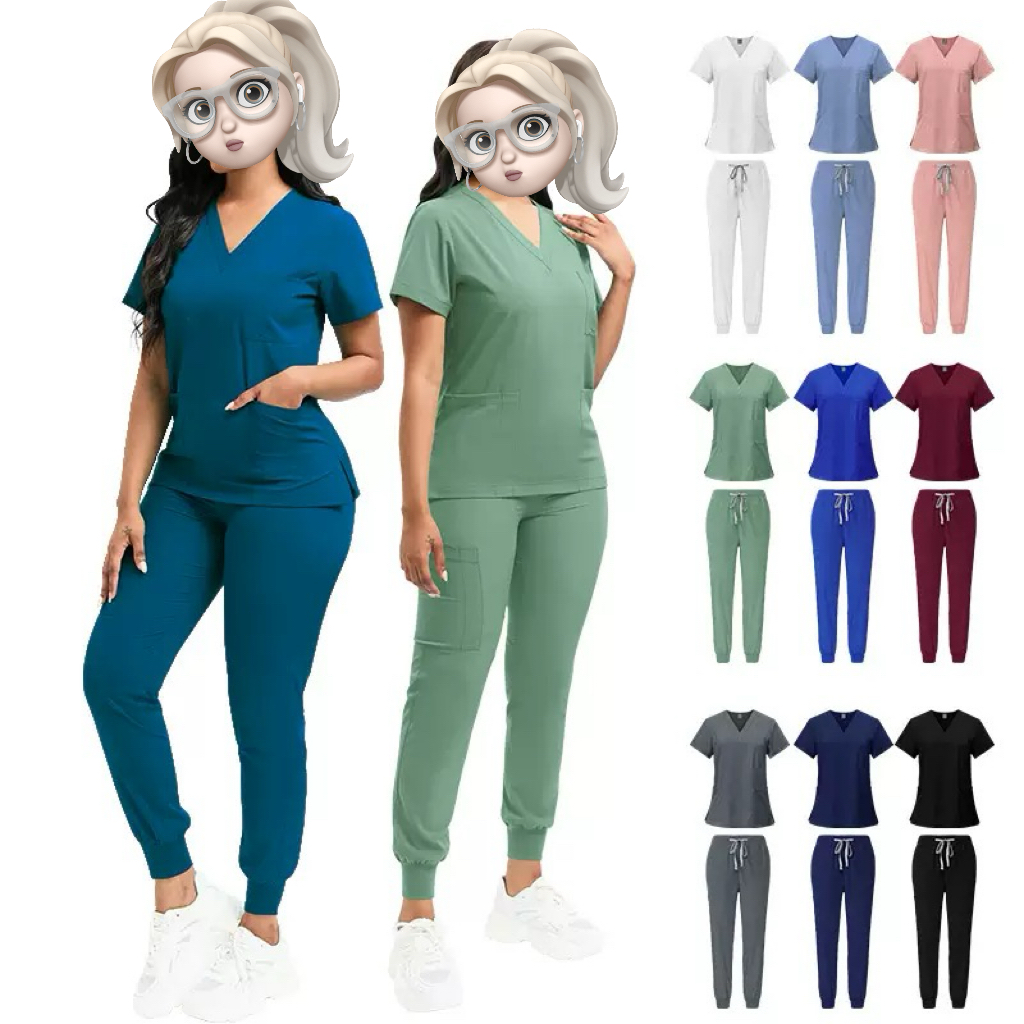
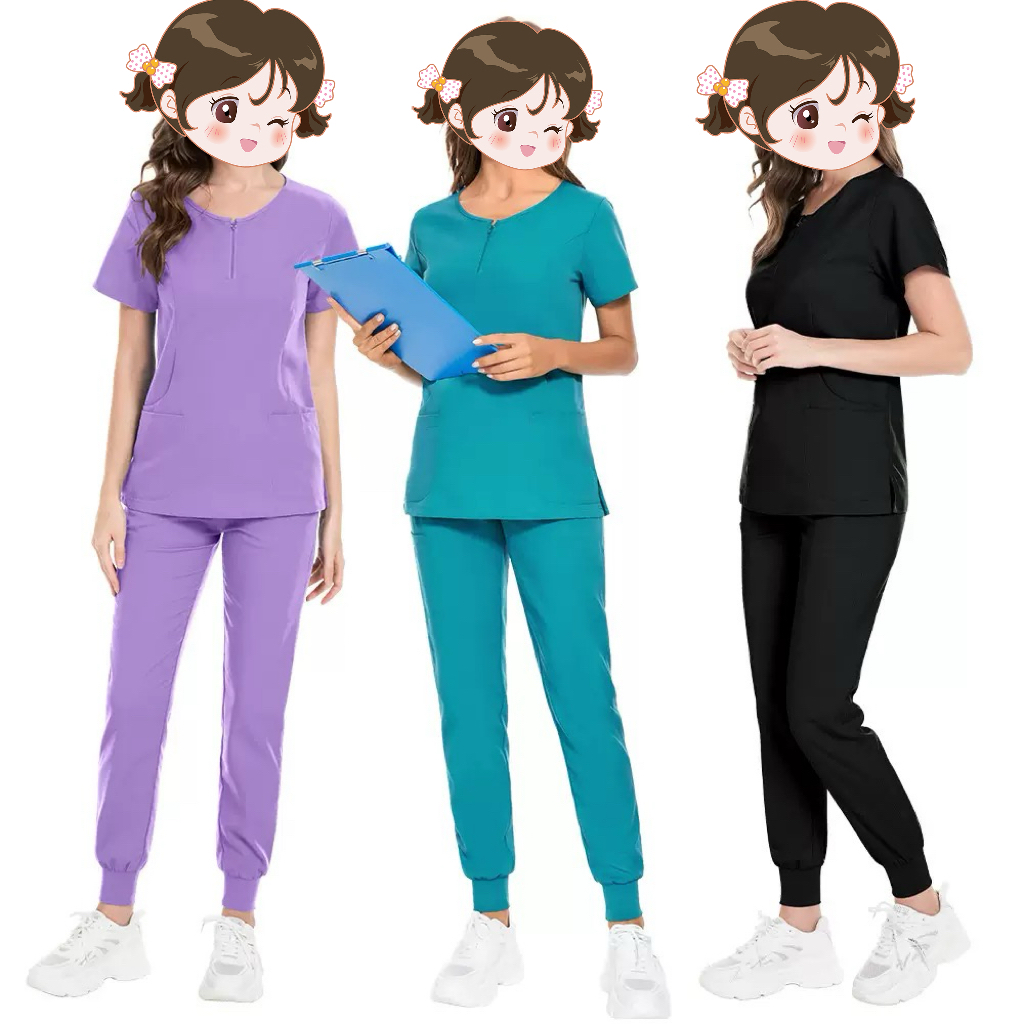
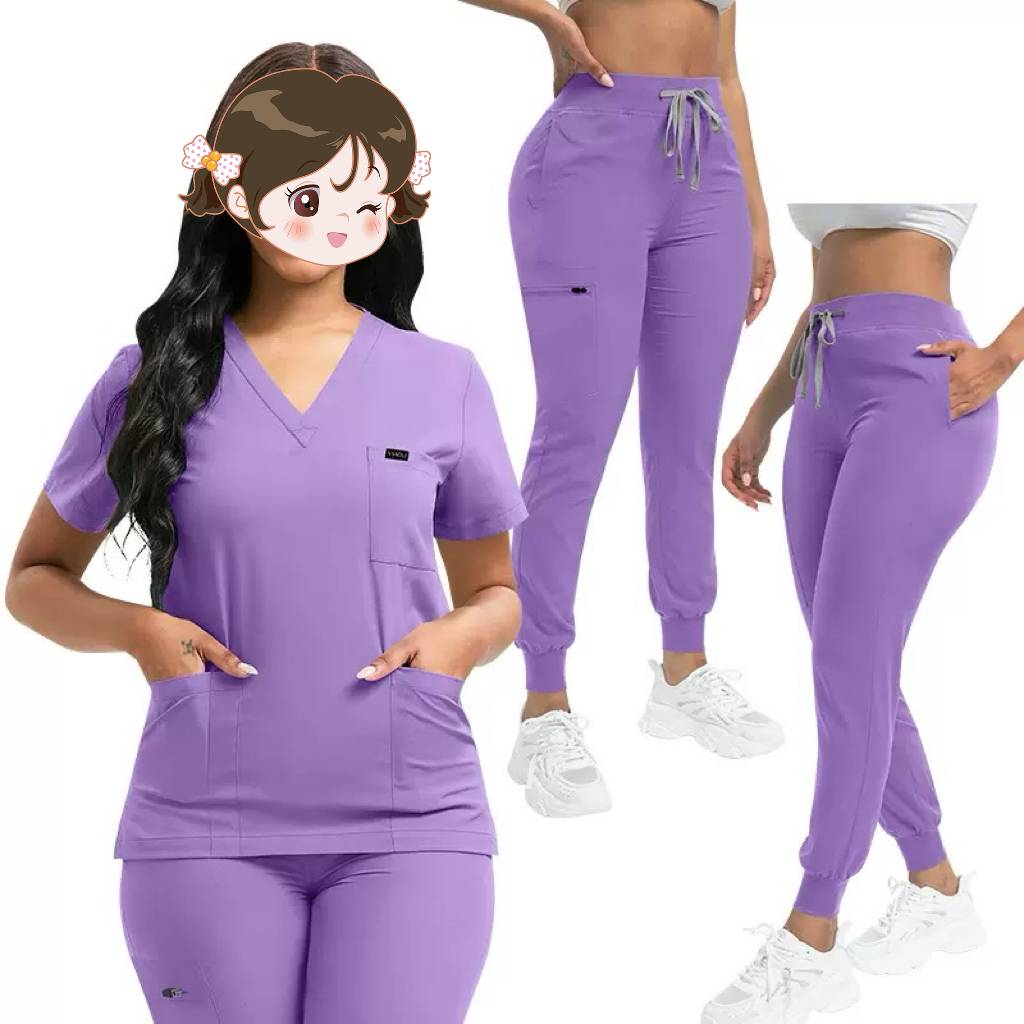
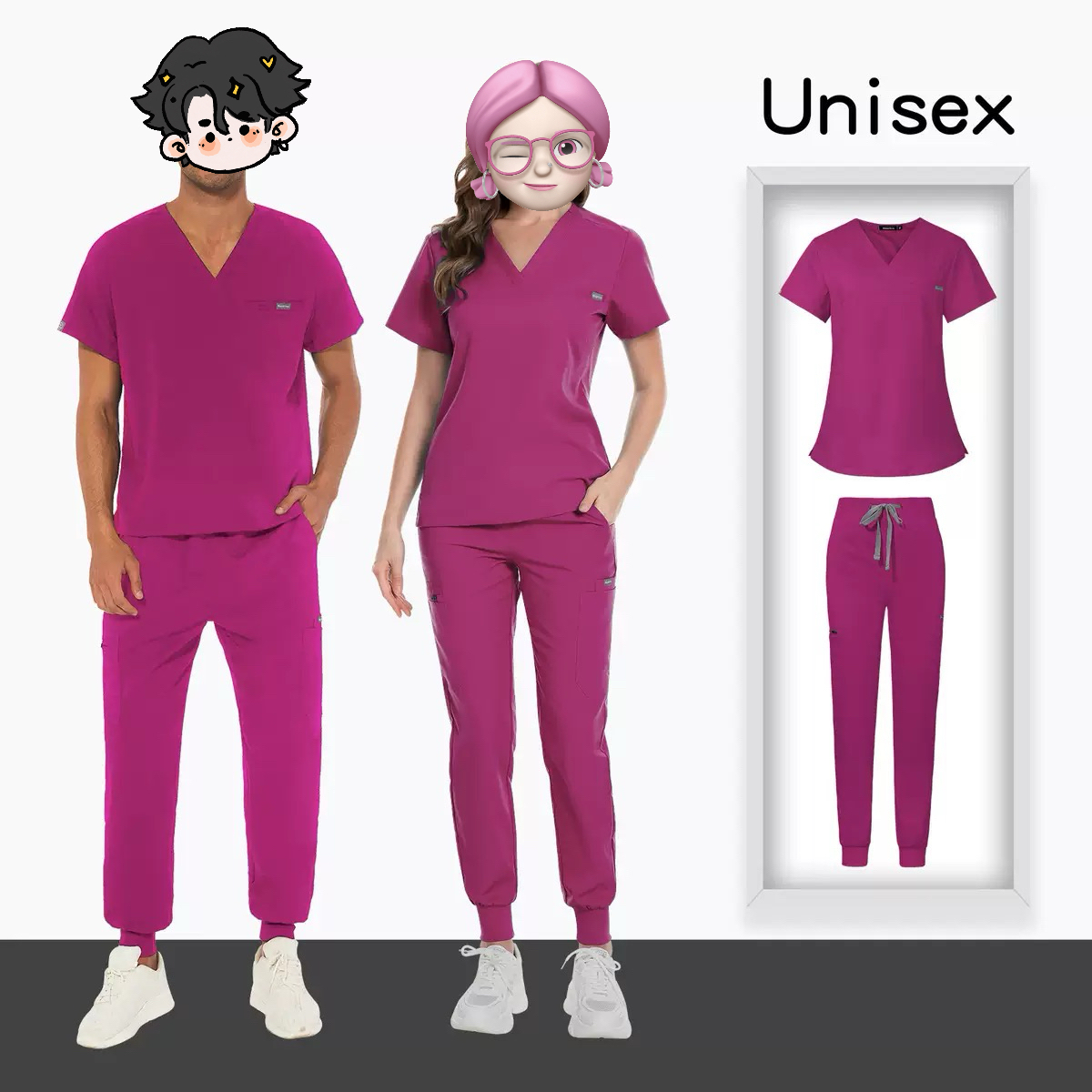
| Medical Scrubs | Scrub tops, cargo pants, joggers | The “daily driver” for nurses and doctors; designed for comfort and utility. |
| Lab Coats | Traditional white coats, consultation coats | Provides an extra layer of protection and signifies professional authority/rank. |
| Protective Apparel (PPE) | Isolation gowns, surgical caps, shoe covers | Fluid-resistant or sterile gear used in the OR or infectious disease units. |
| Compression Wear | Compression socks, underscrub shirts | Reduces leg fatigue and improves circulation for staff standing for 12+ hours. |
3. Design & Functional Features
Modern medical wear is designed with “utility-first” logic:
-
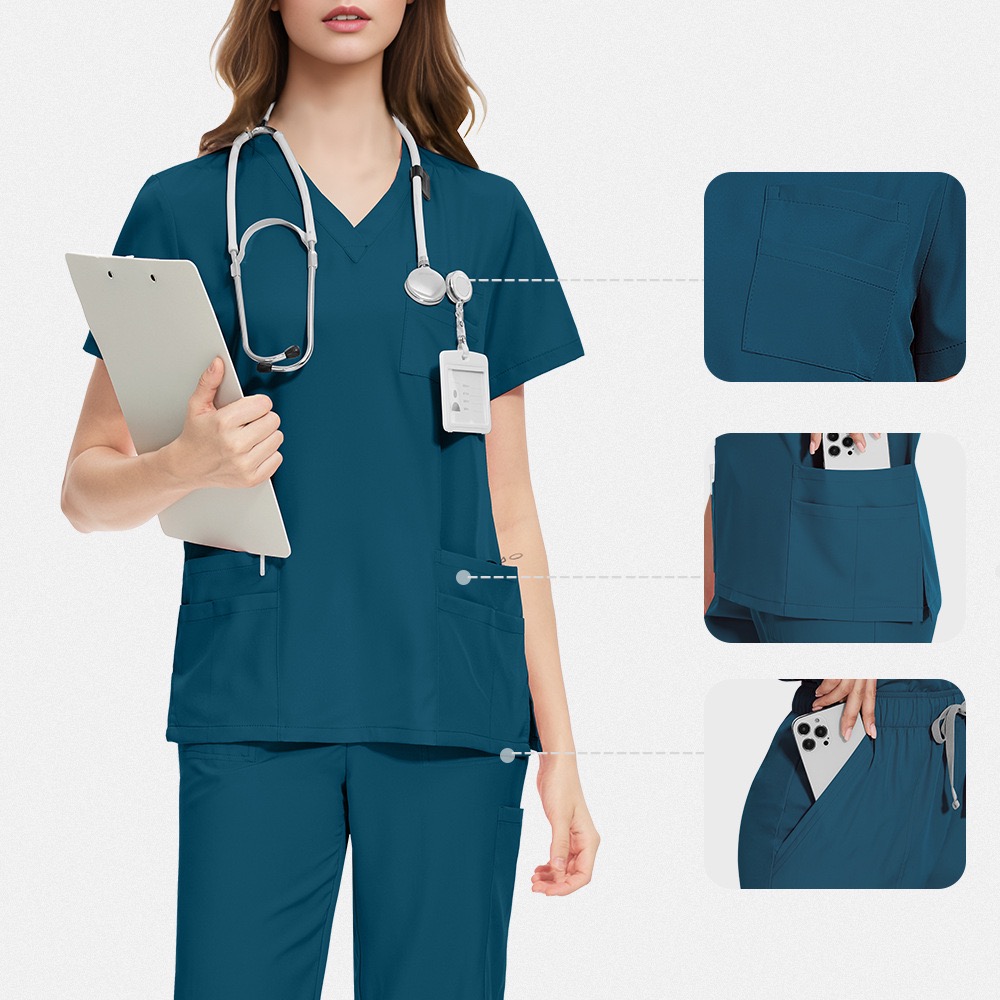
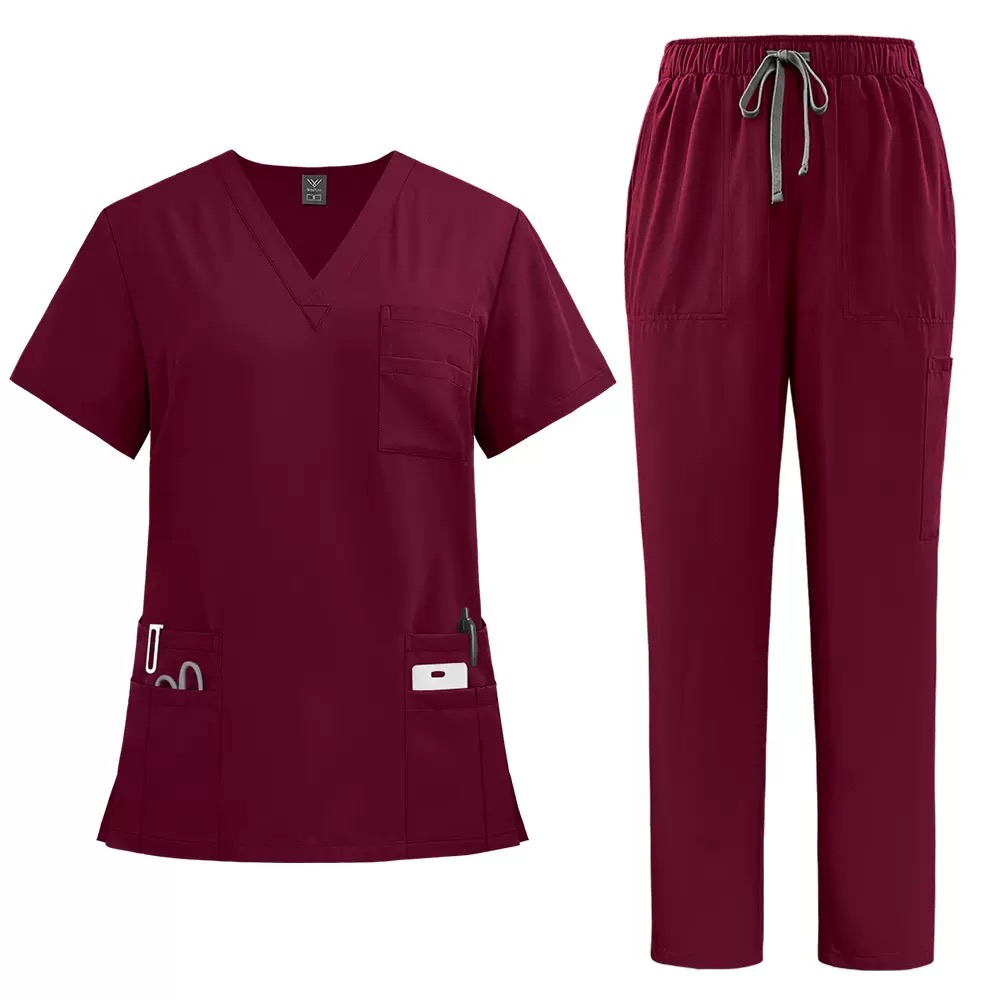
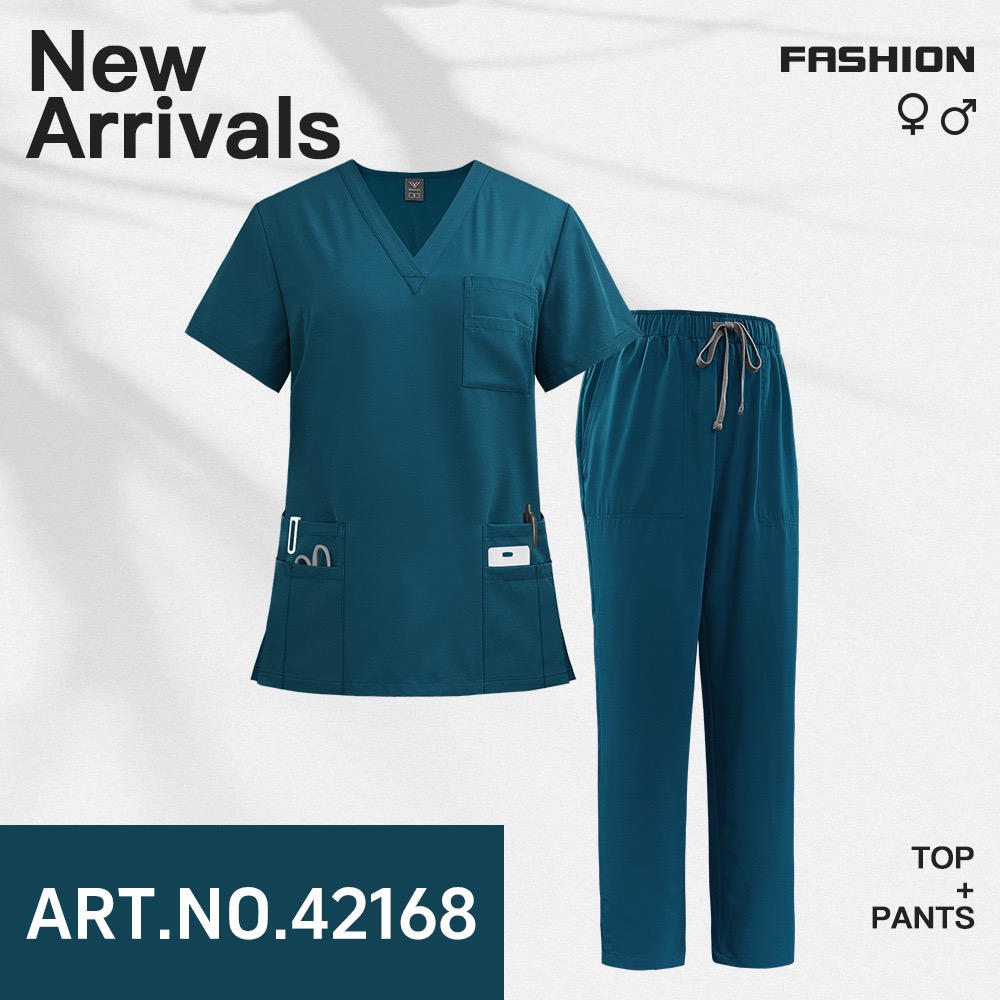
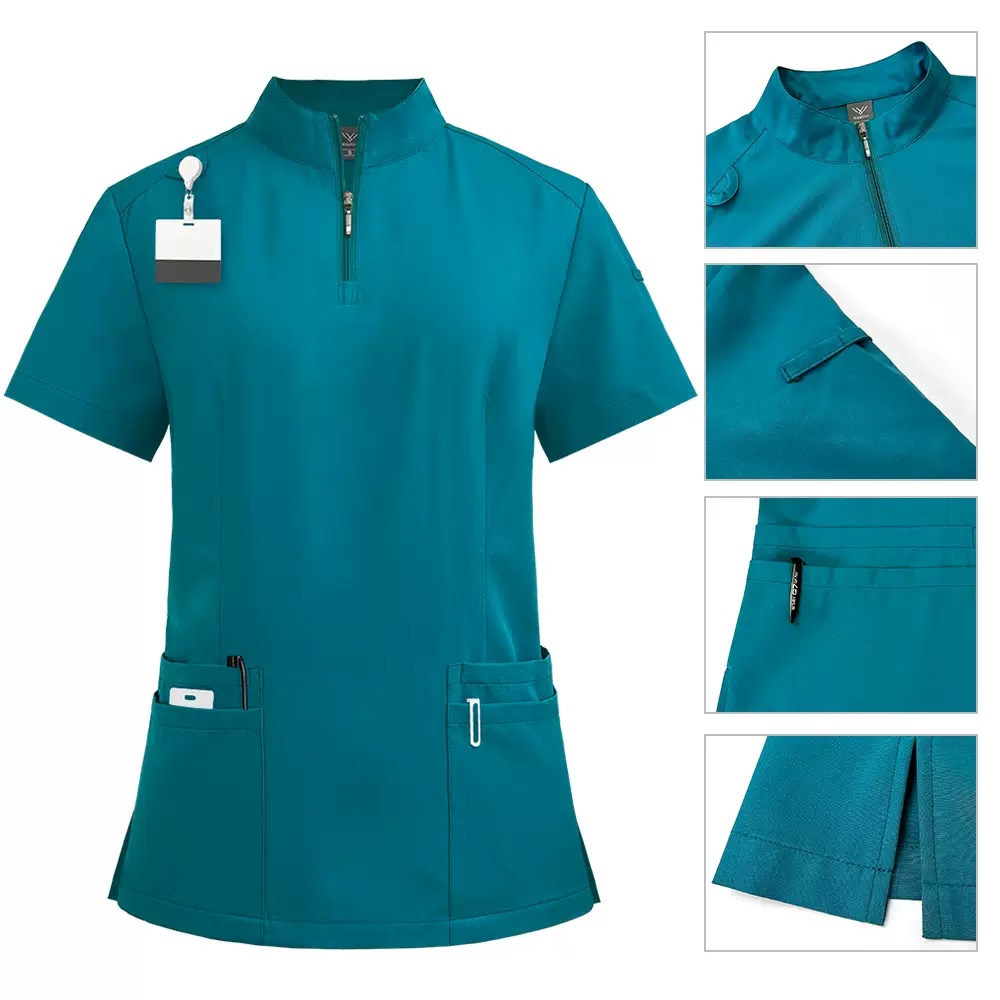
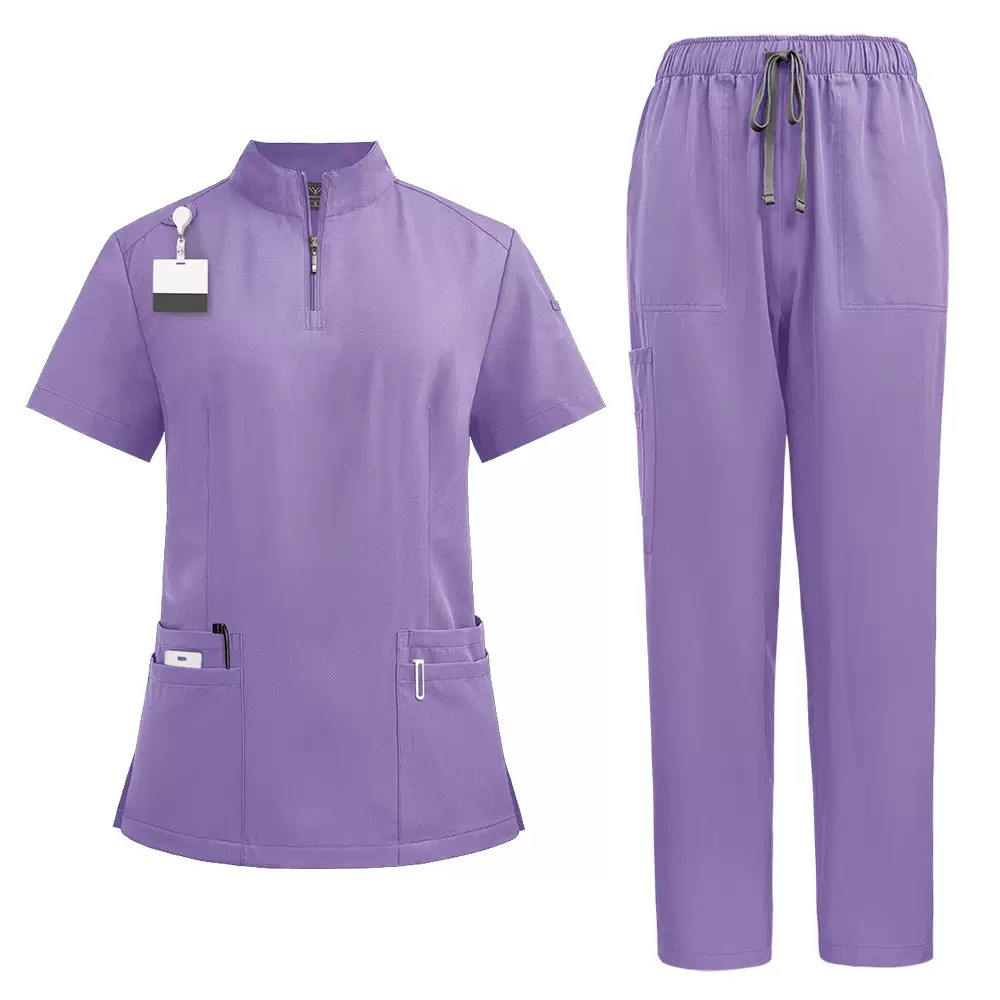
Strategic Pocket Placement: Dedicated slots for pens, shears, stethoscopes, and smartphones.
-
Reinforced Seams: Double-stitched areas to prevent tearing during physical patient handling.
-
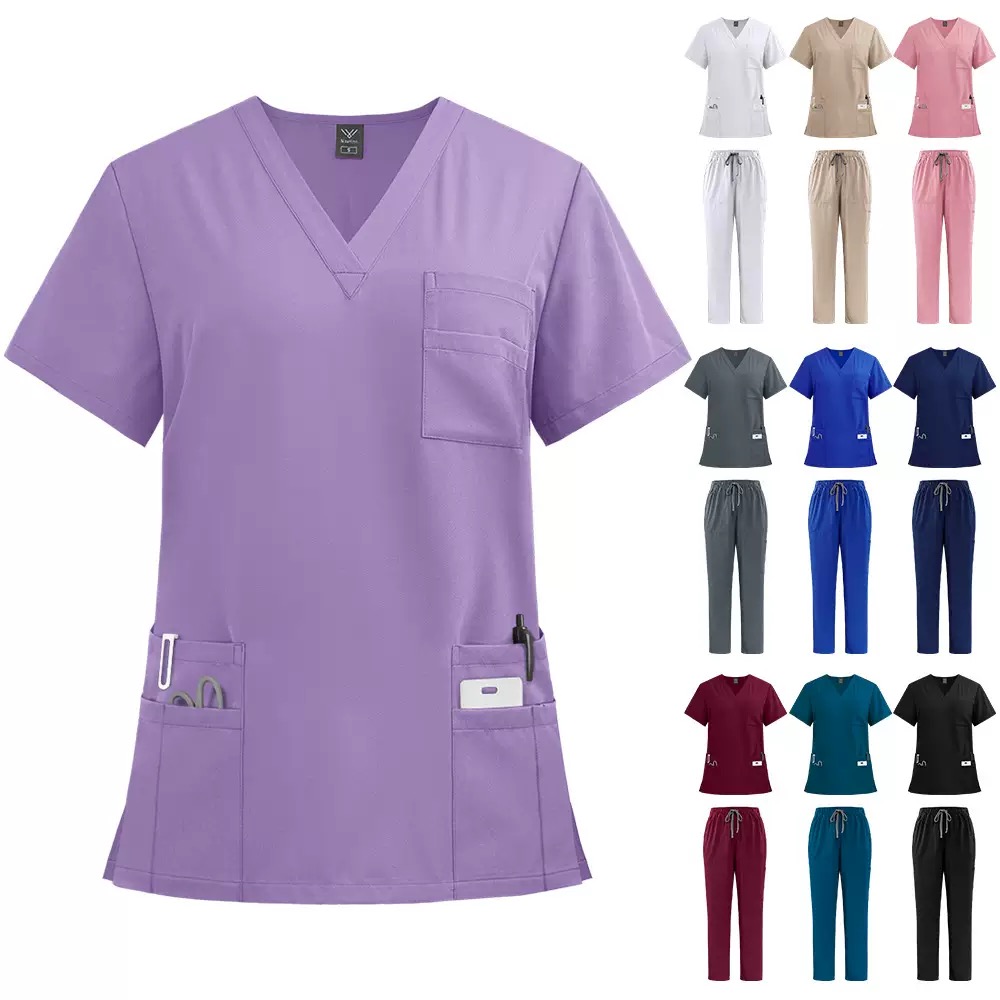
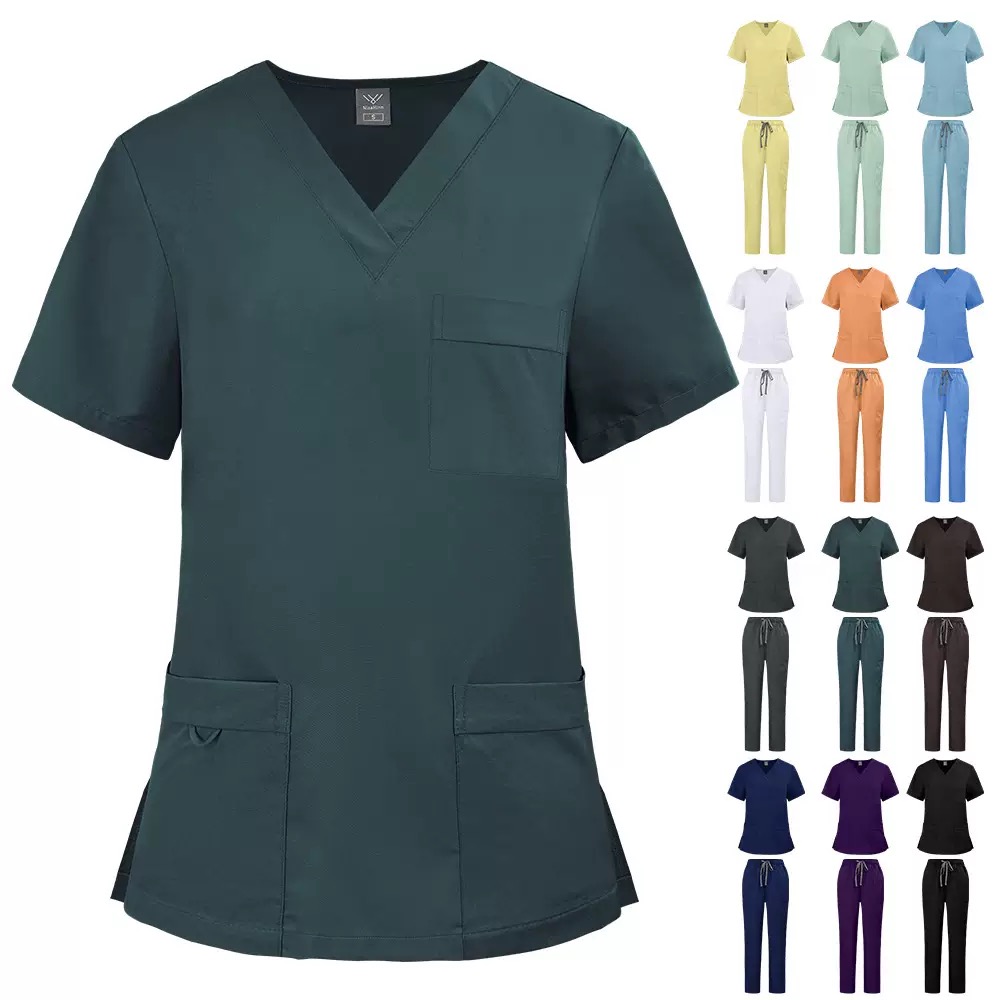
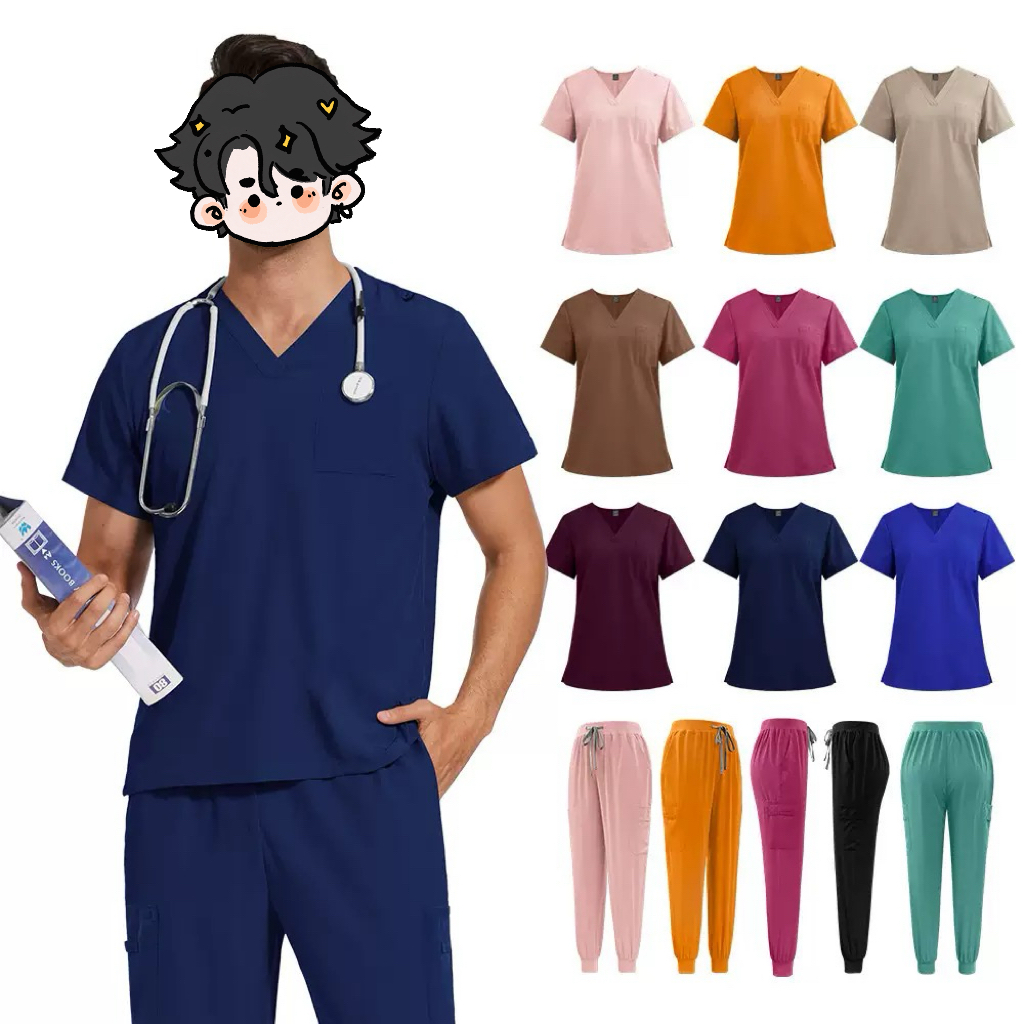
Color Coding: Many hospitals use specific colors (e.g., Royal Blue for Nursing, Navy for Doctors, Wine for Admin) to help patients and staff identify roles quickly.
-
Industrial Laundry Compatibility: Designed to withstand high-temperature washing and chemical disinfection without losing shape or color.
4. Environments of Use
-
Hospitals & Clinics: The standard uniform for almost all patient-facing roles.
-
Operating Rooms (OR): Specialized sterile scrubs and surgical gowns.
-
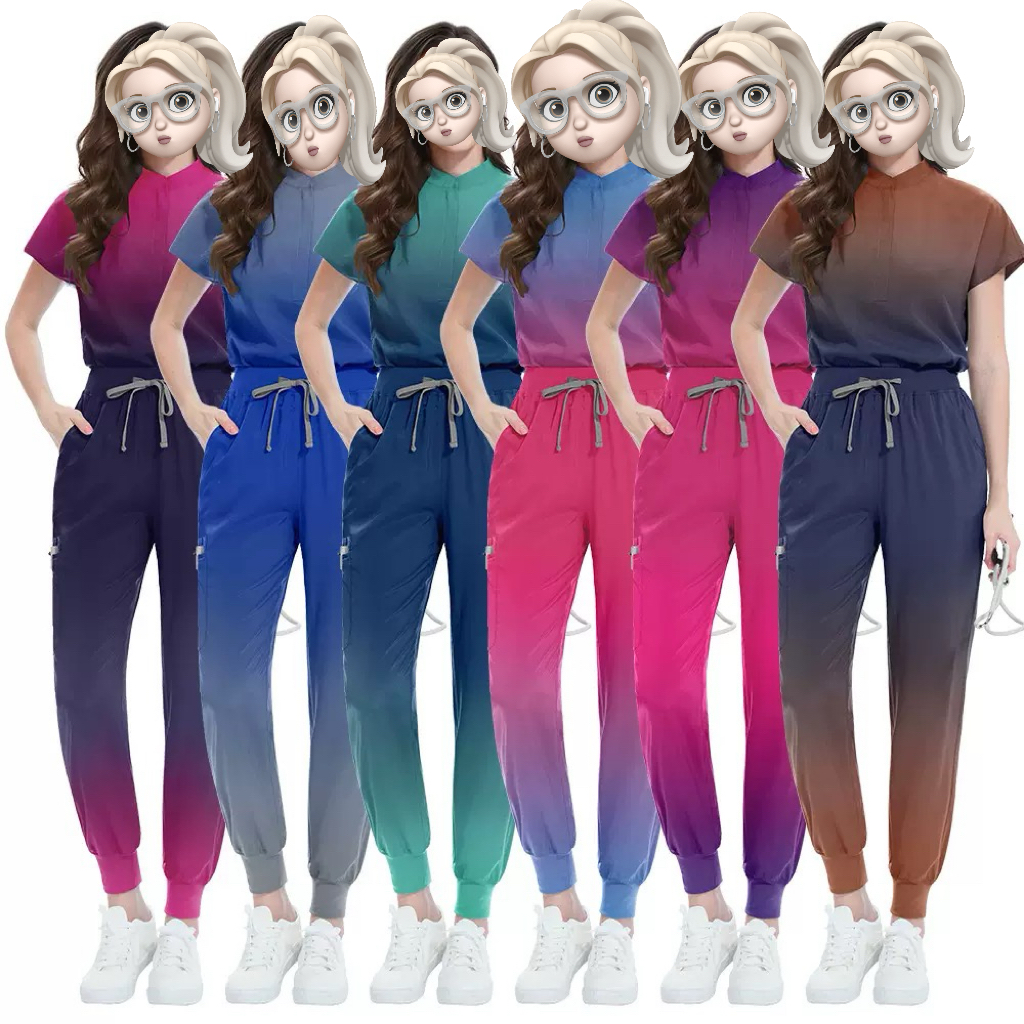
Dental & Veterinary Offices: Often feature more varied designs or patterns to put patients (or pets) at ease.
-
Laboratories: Focused on chemical resistance and full-coverage lab coats.
5. Future Trends
The industry is moving toward Sustainable Apparel, using recycled plastics (RPET) to create eco-friendly scrubs, and Smart Textiles that can monitor the wearer’s vitals or detect environmental toxins.