
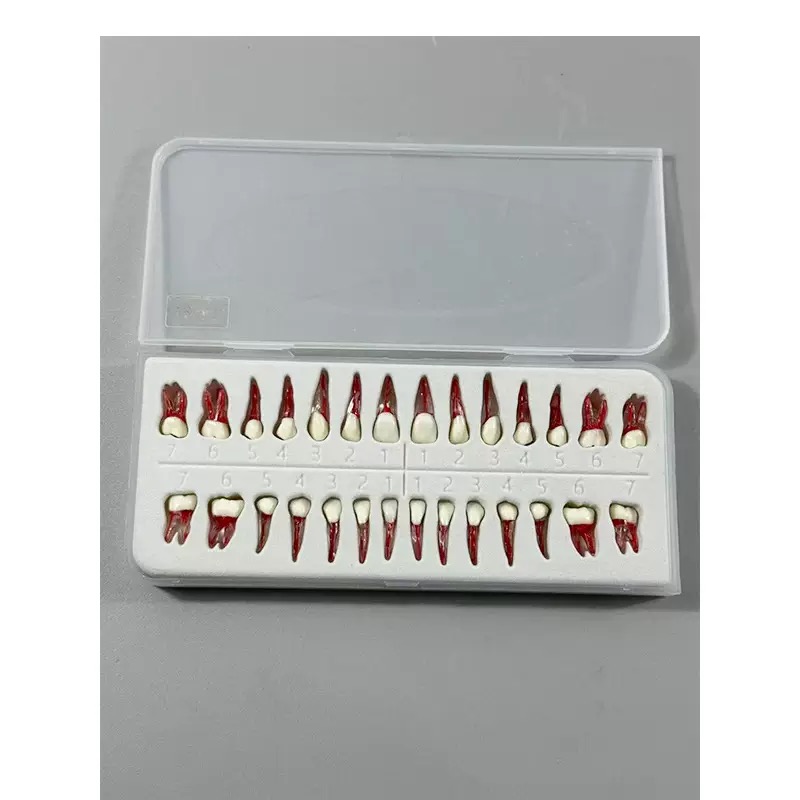
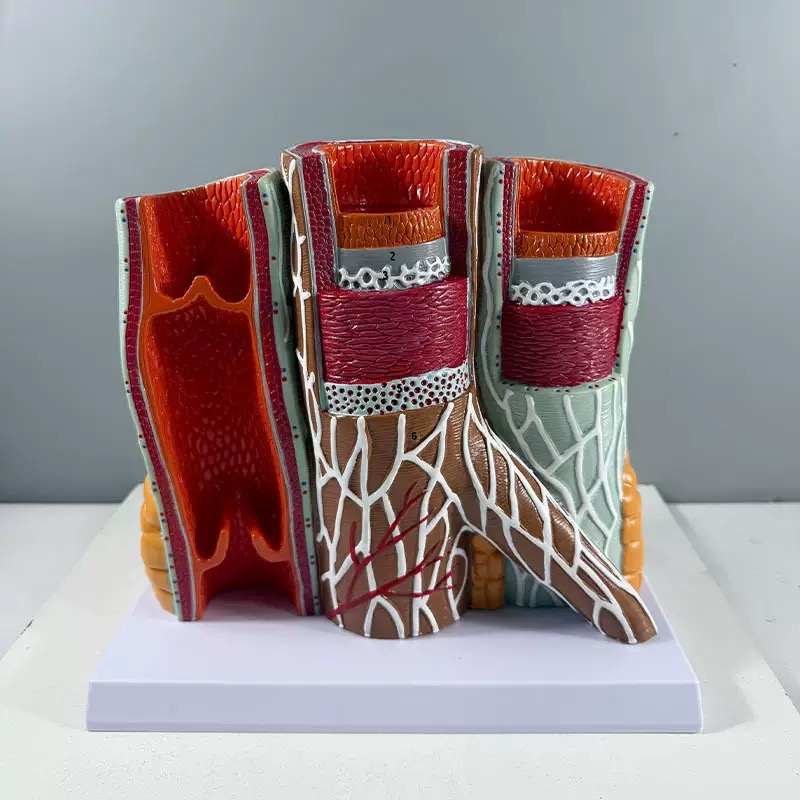
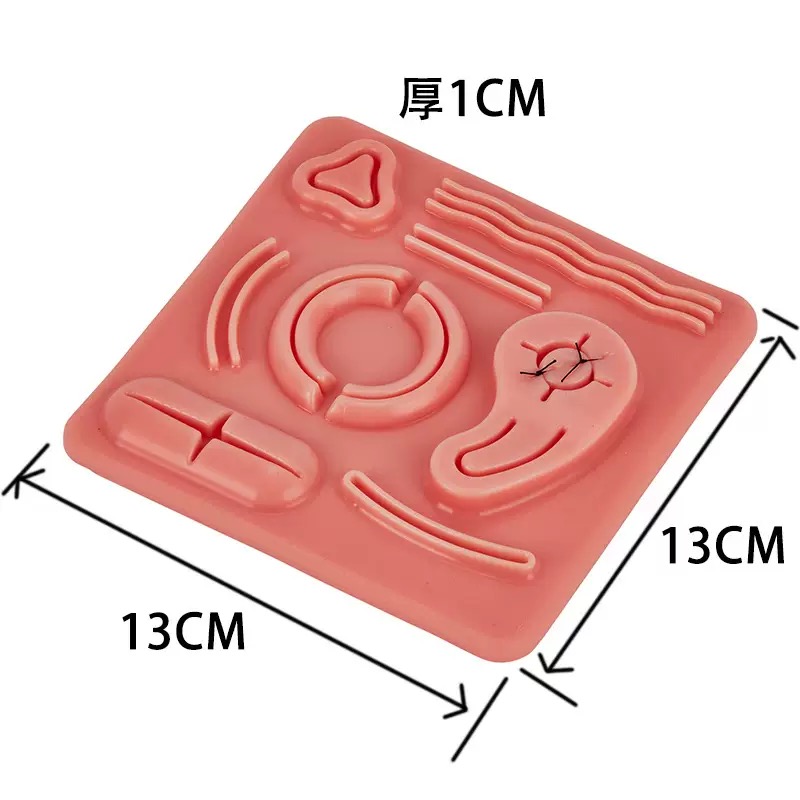
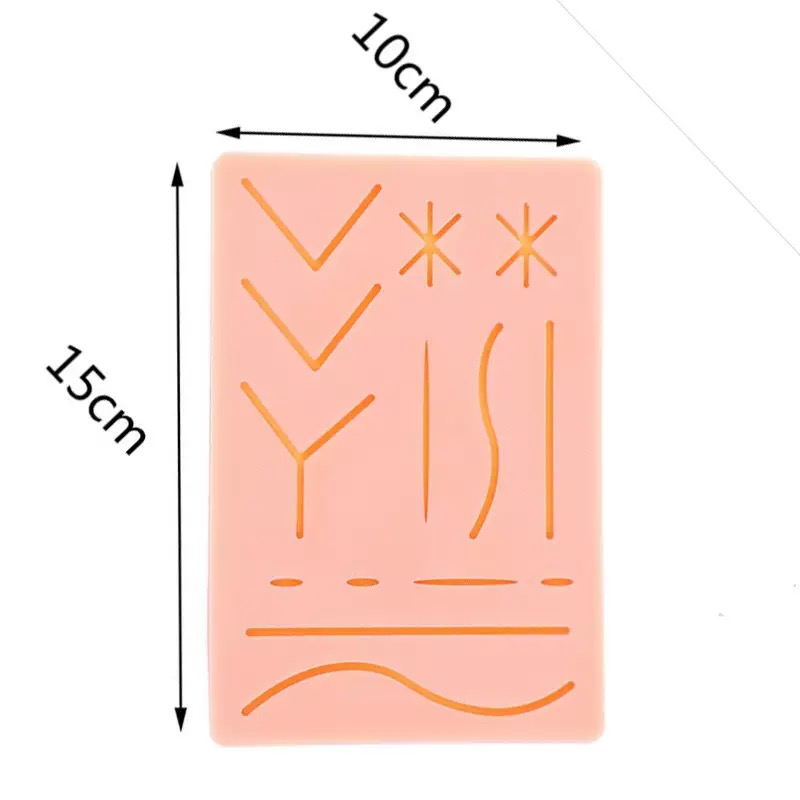
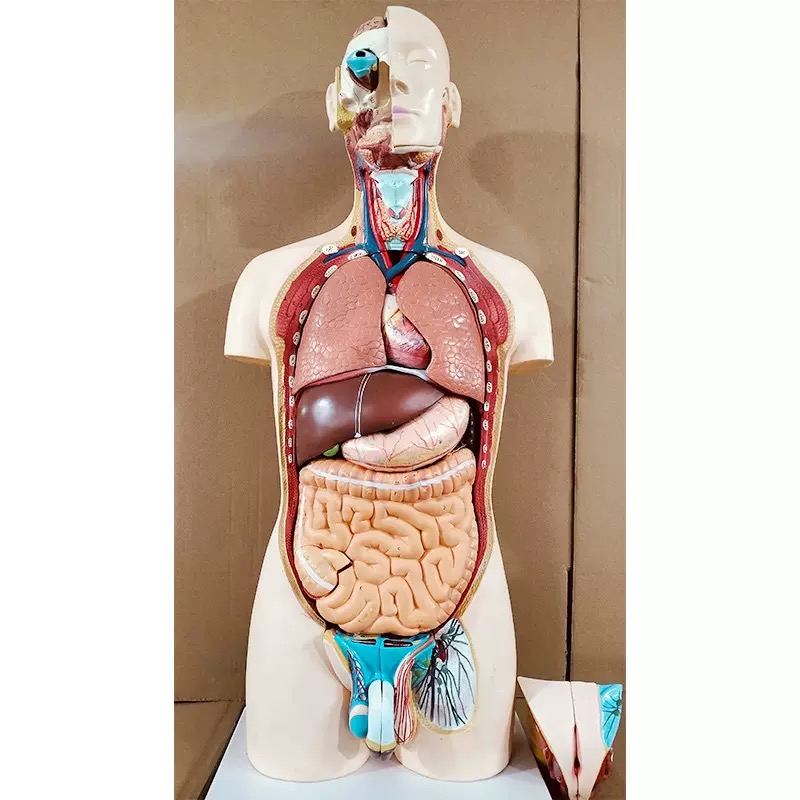
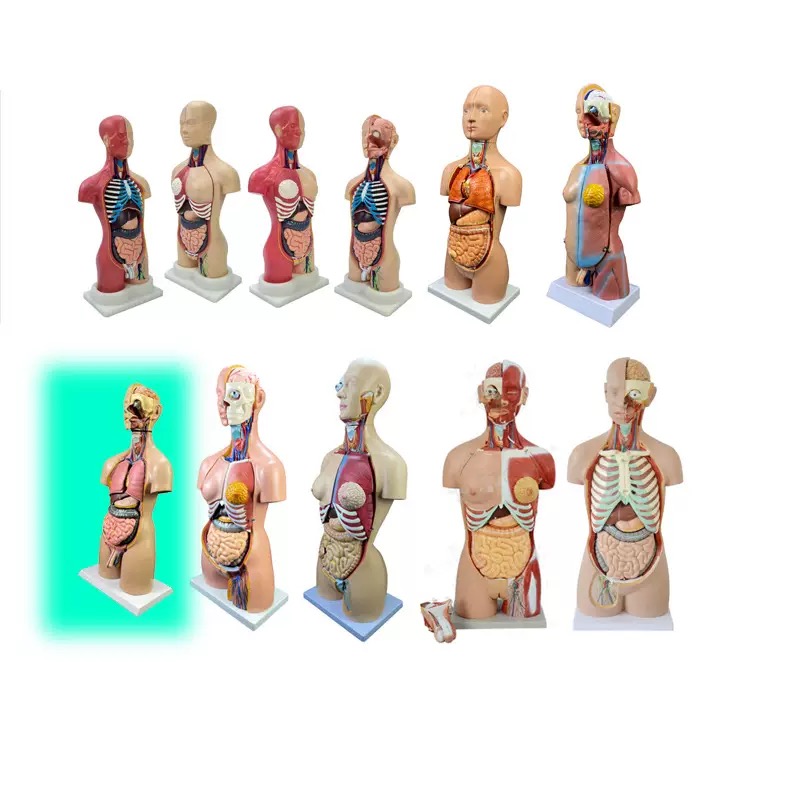
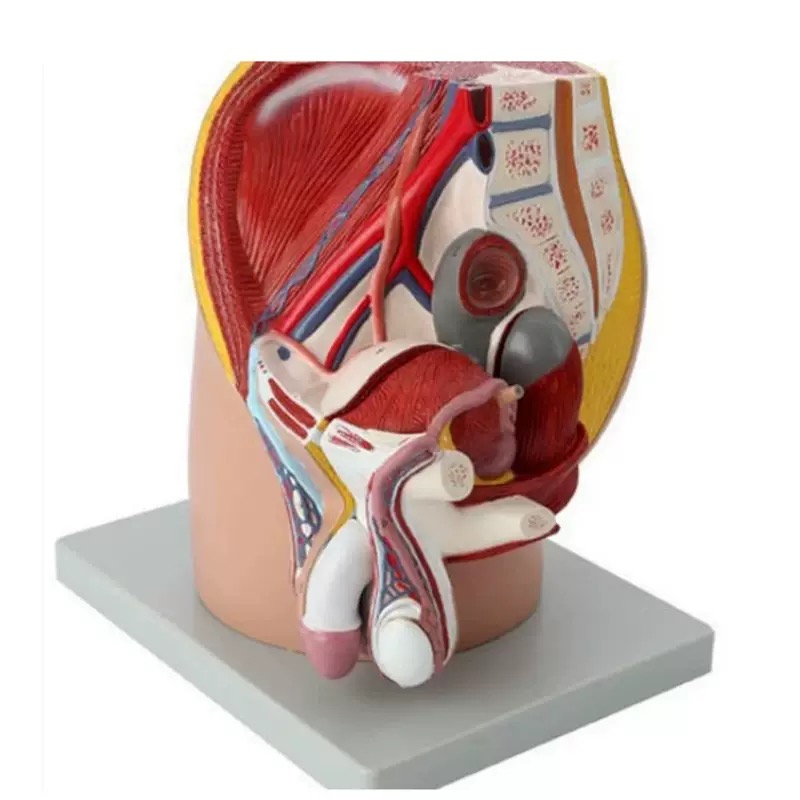
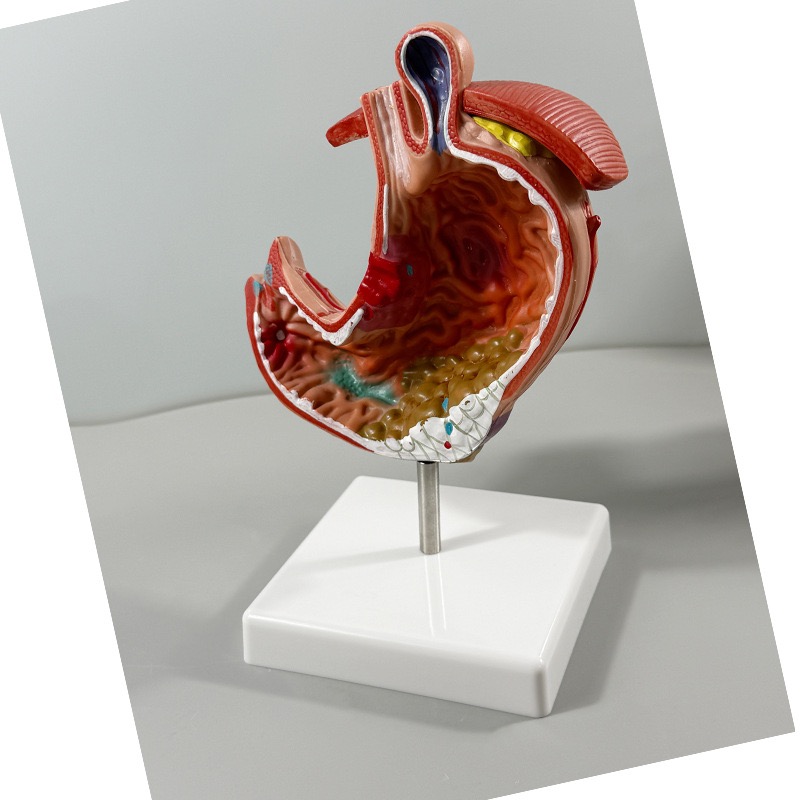
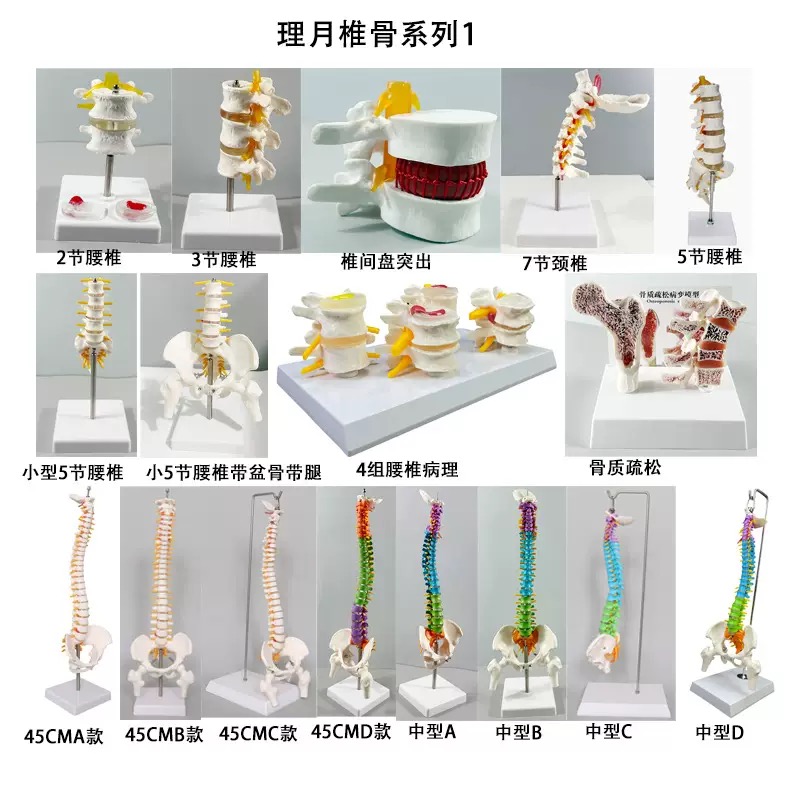
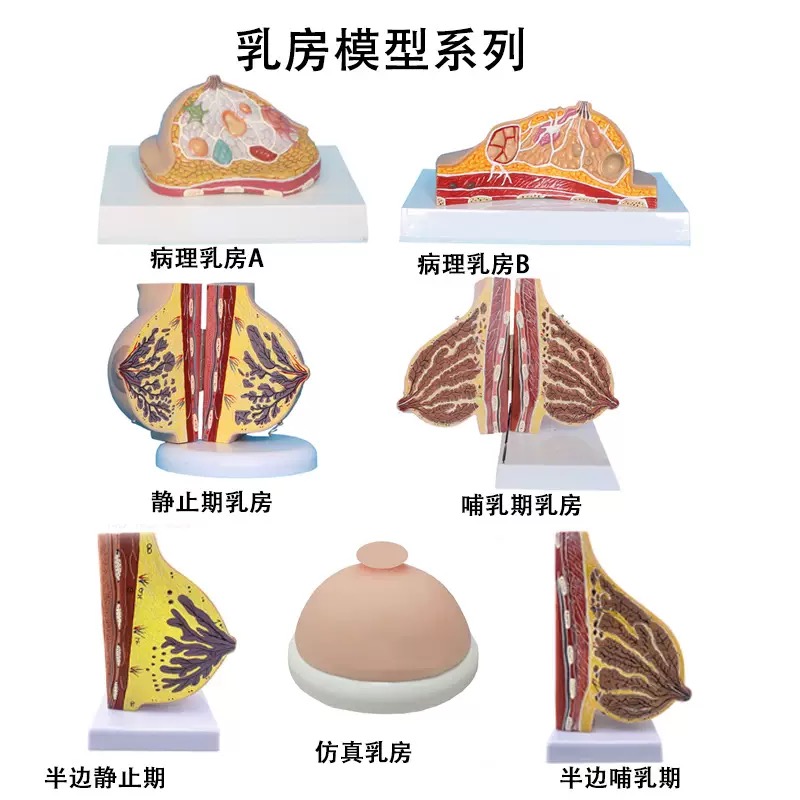
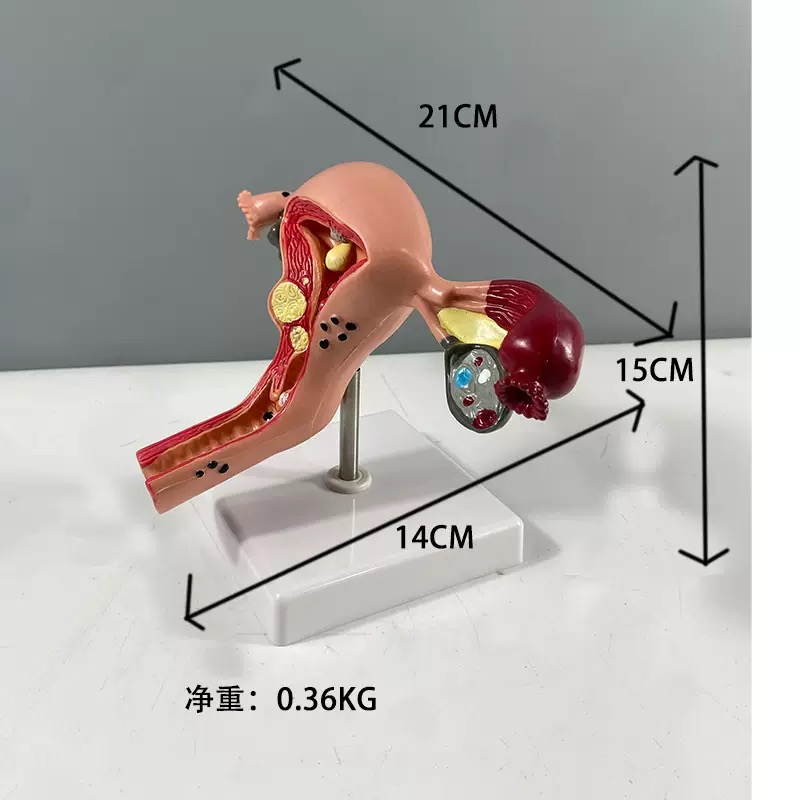
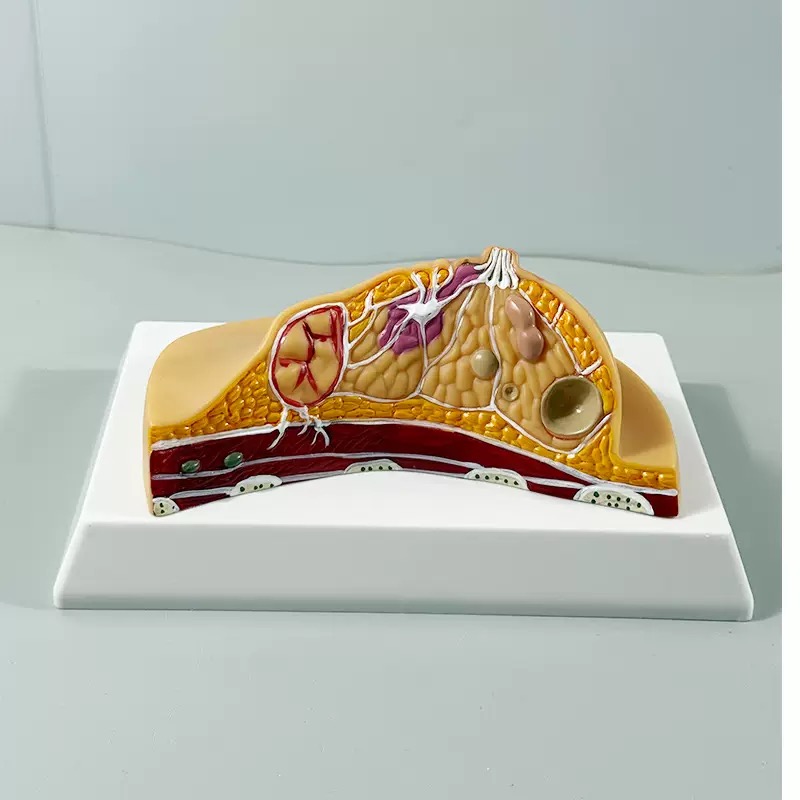
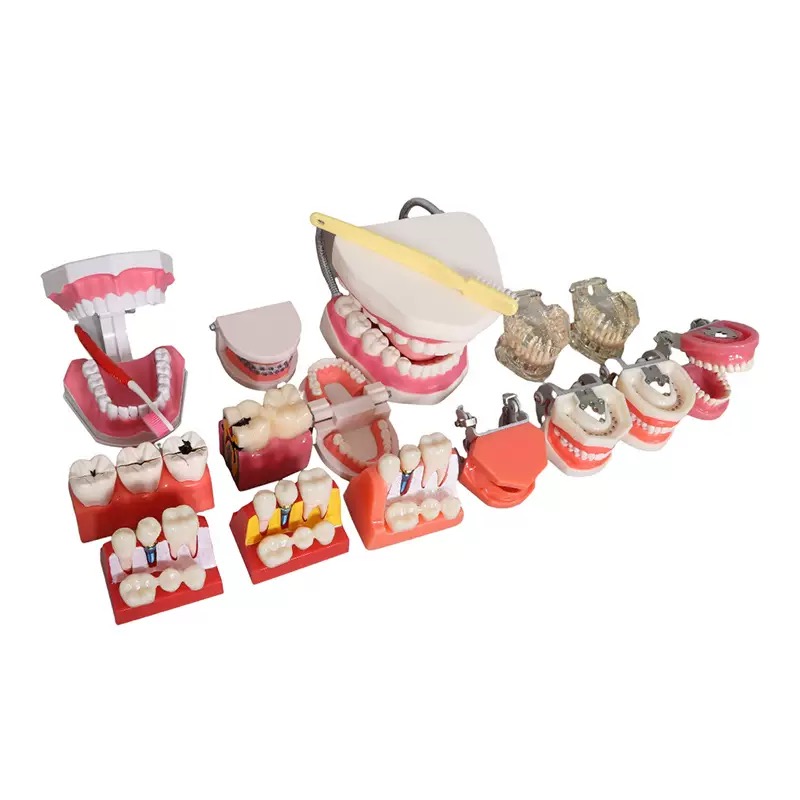
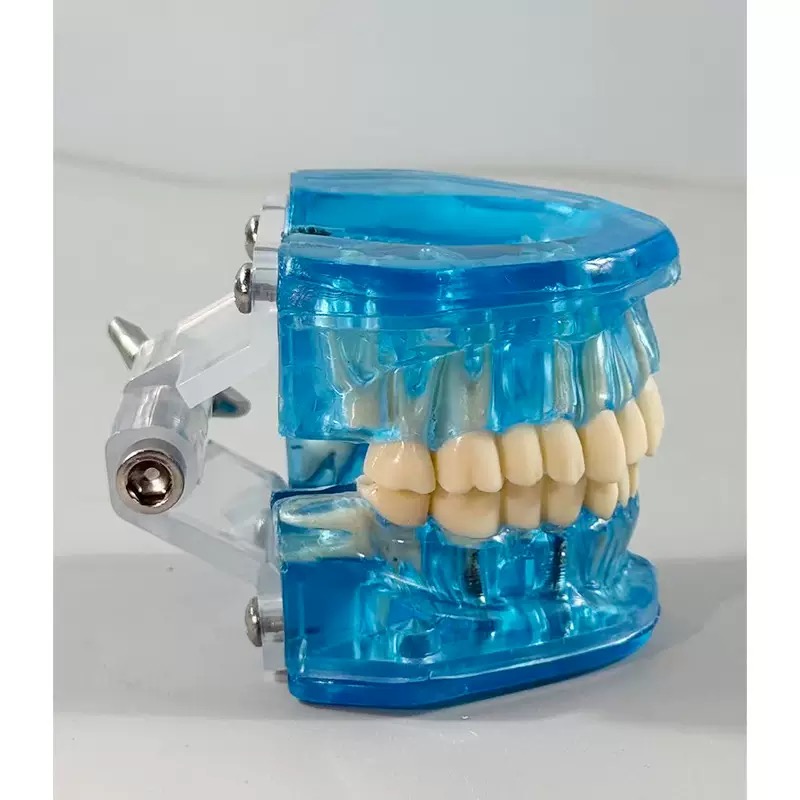
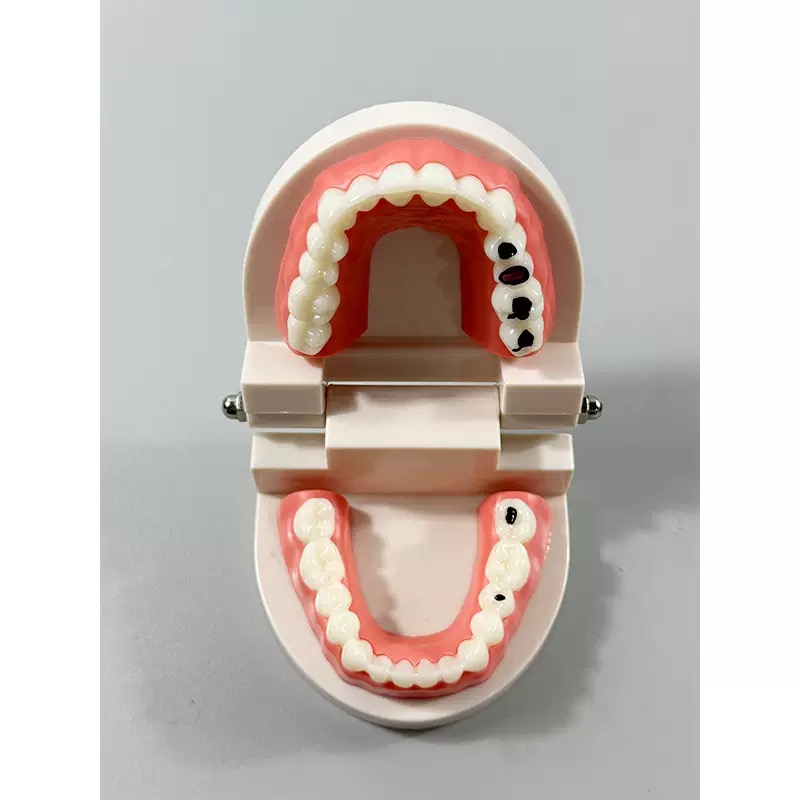
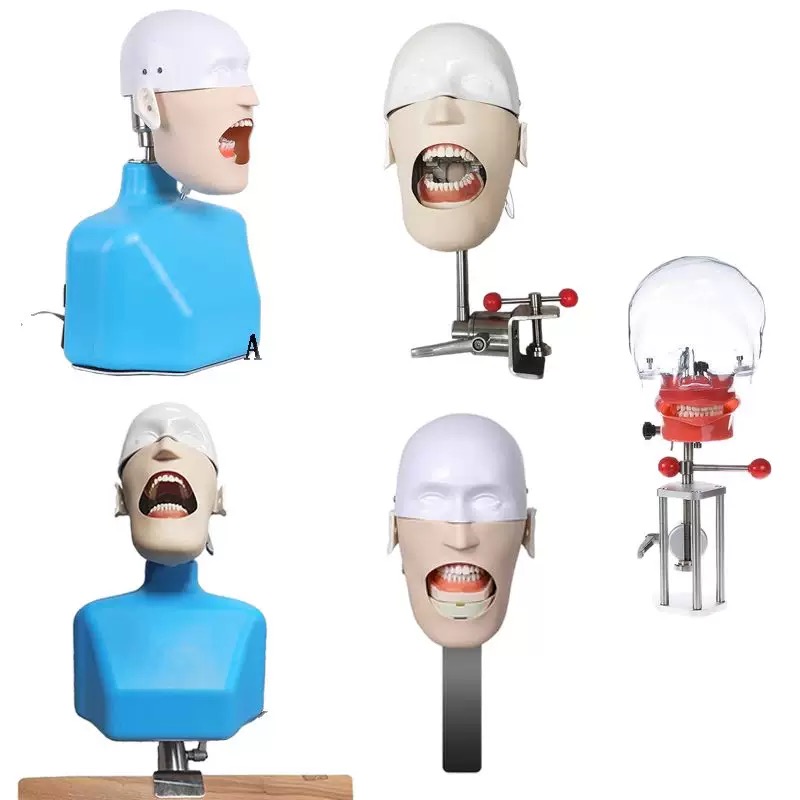
Medical Simulation Products:
Medical simulation products are the cornerstone of modern healthcare education, providing a “risk-free, high-fidelity” environment for clinicians to hone their skills before treating real patients.
1. Materials and Craftsmanship
To achieve “clinical realism,” these products utilize advanced materials that mimic the haptic feedback of human tissue:
-
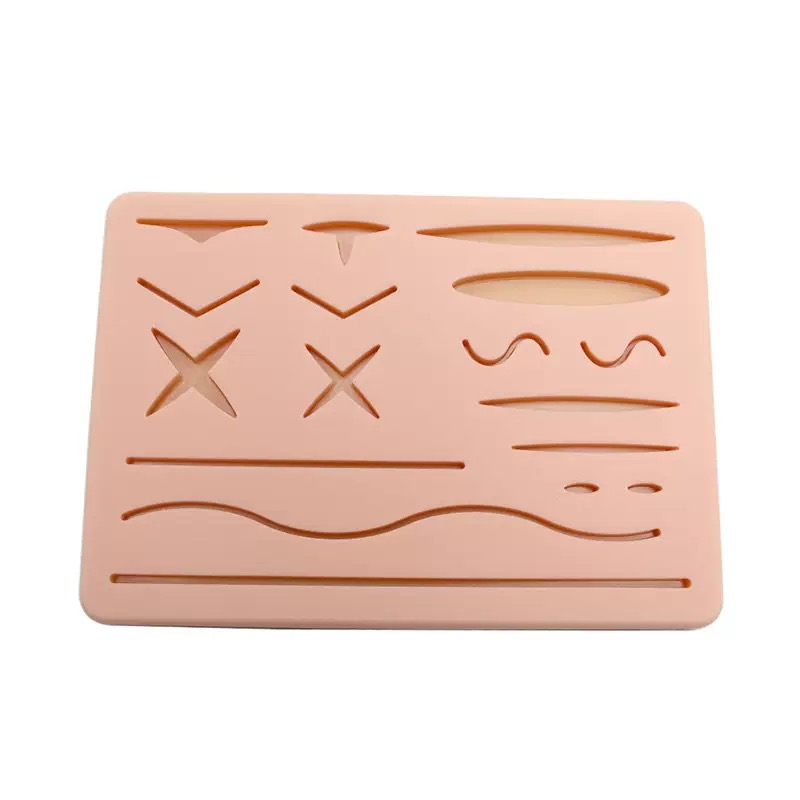
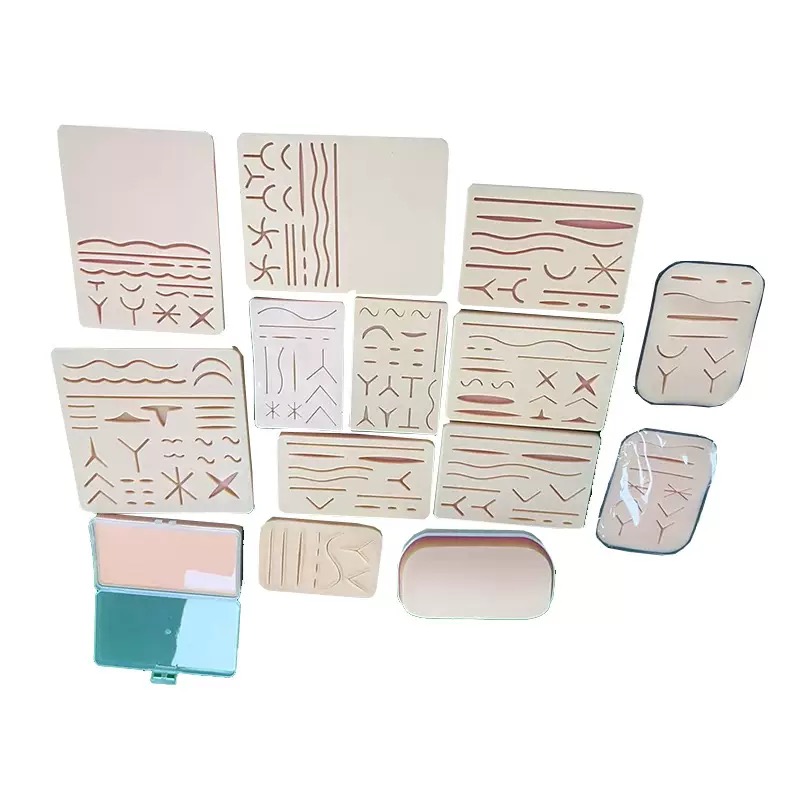
Platinum-Cured Silicone & TPE: Used for skin and soft tissues to replicate the texture, elasticity, and “drag” of human skin. These materials often feature self-healing properties for repetitive suturing or injection.
-
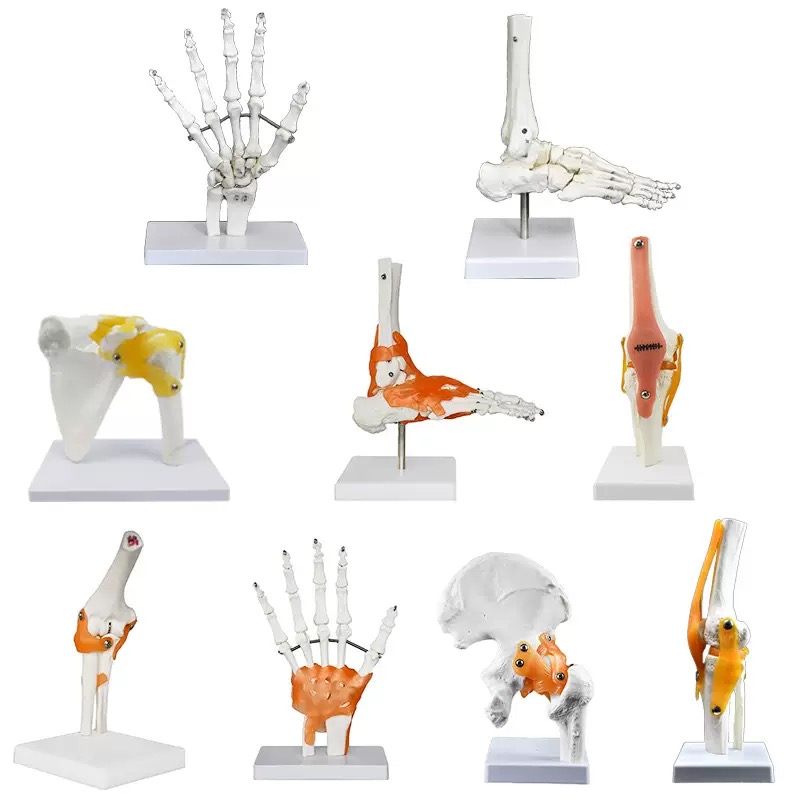
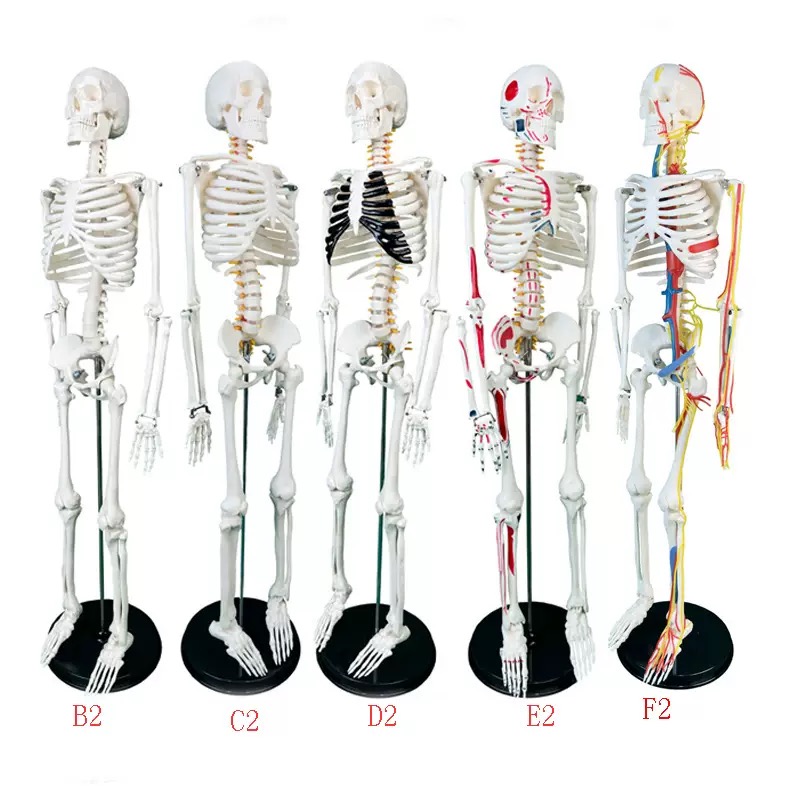
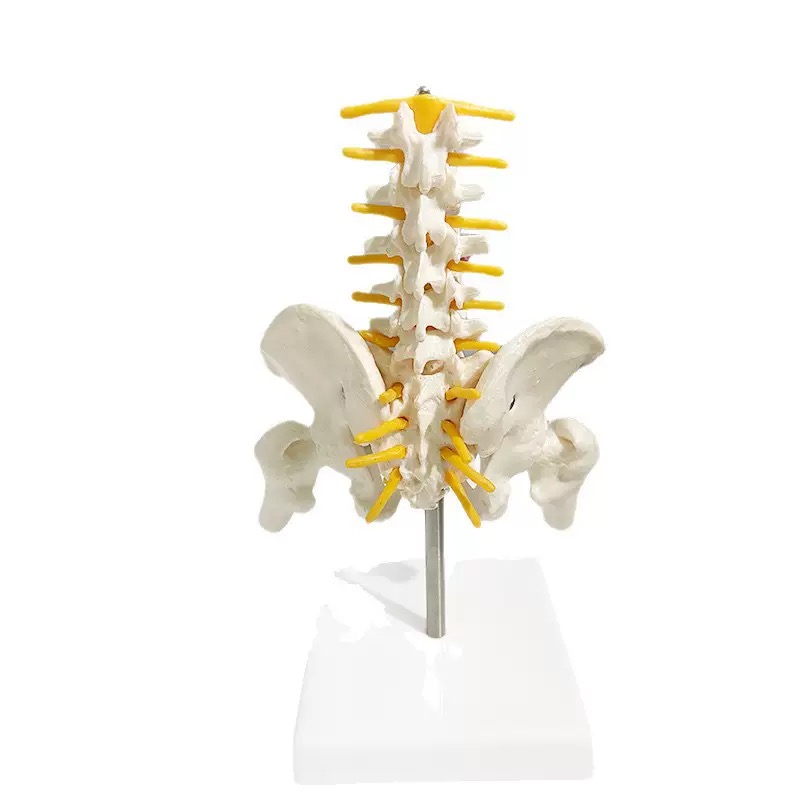
Reinforced Polymers: Used for skeletal structures to provide realistic bone density and resistance during procedures like intraosseous (IO) access.
-
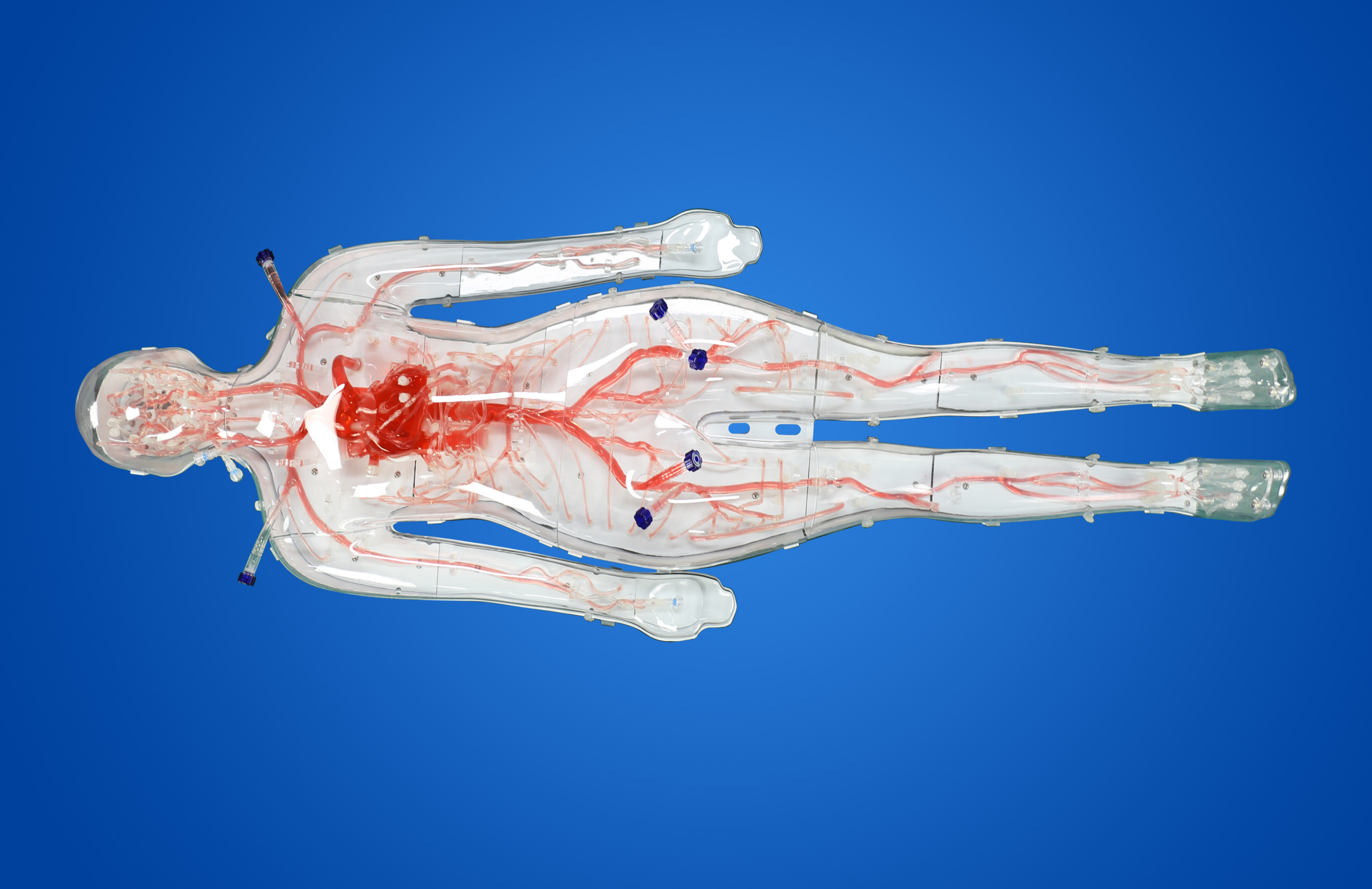
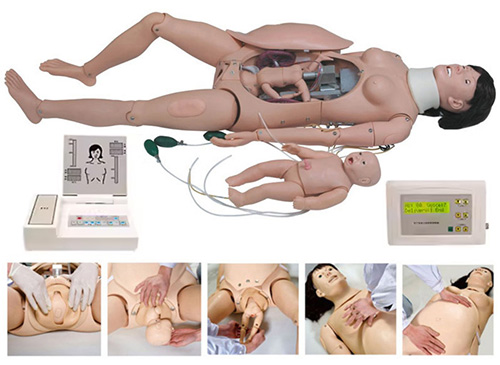
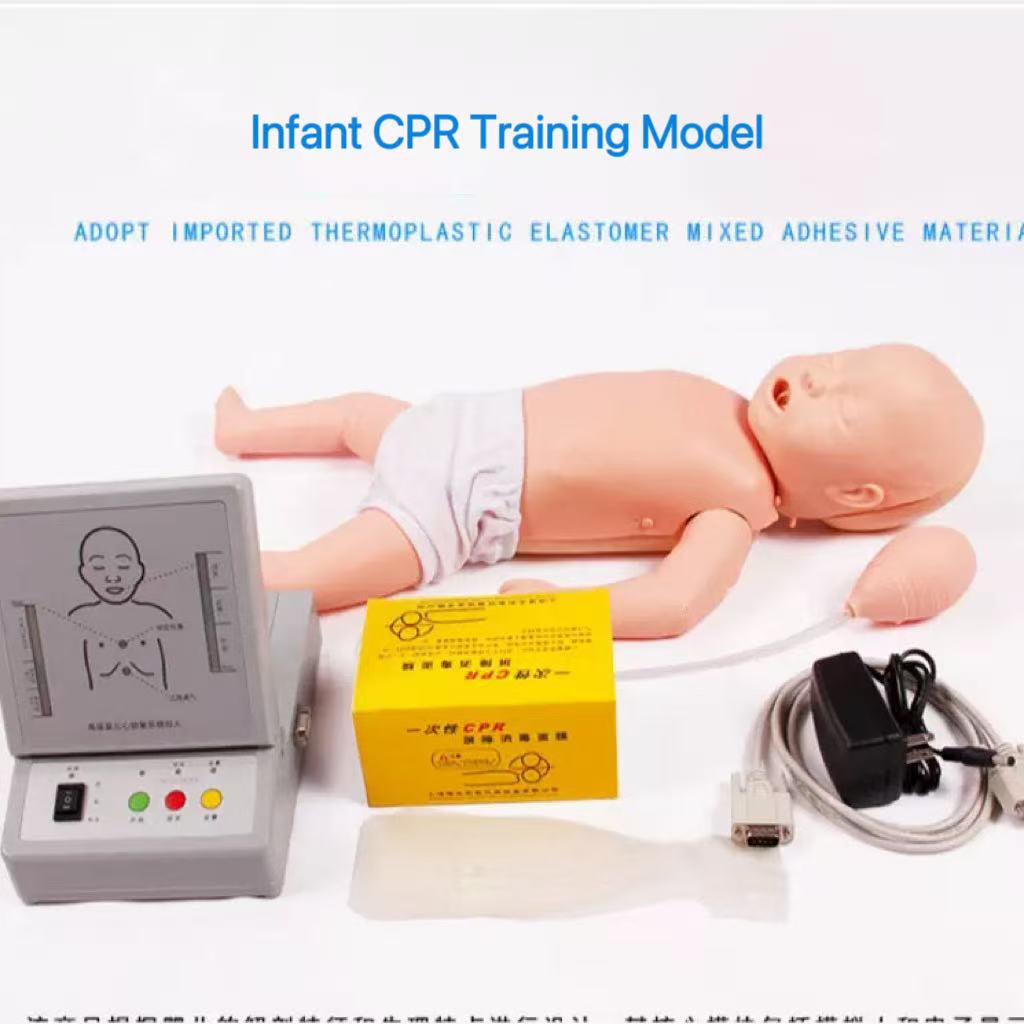
Embedded Sensors & Micro-electronics: High-fidelity manikins contain sophisticated circuitry to track compression depth, ventilation volume, and catheter placement in real-time.
-
Synthetic Bio-Fluids: Specialized liquids that mimic the viscosity and color of human blood, bile, or cerebrospinal fluid for realistic flash-back and drainage.
2. Product Categories & Applications
Medical simulators range from simple task trainers to fully autonomous robotic patients:
| Category | Typical Products | Primary Use Case |
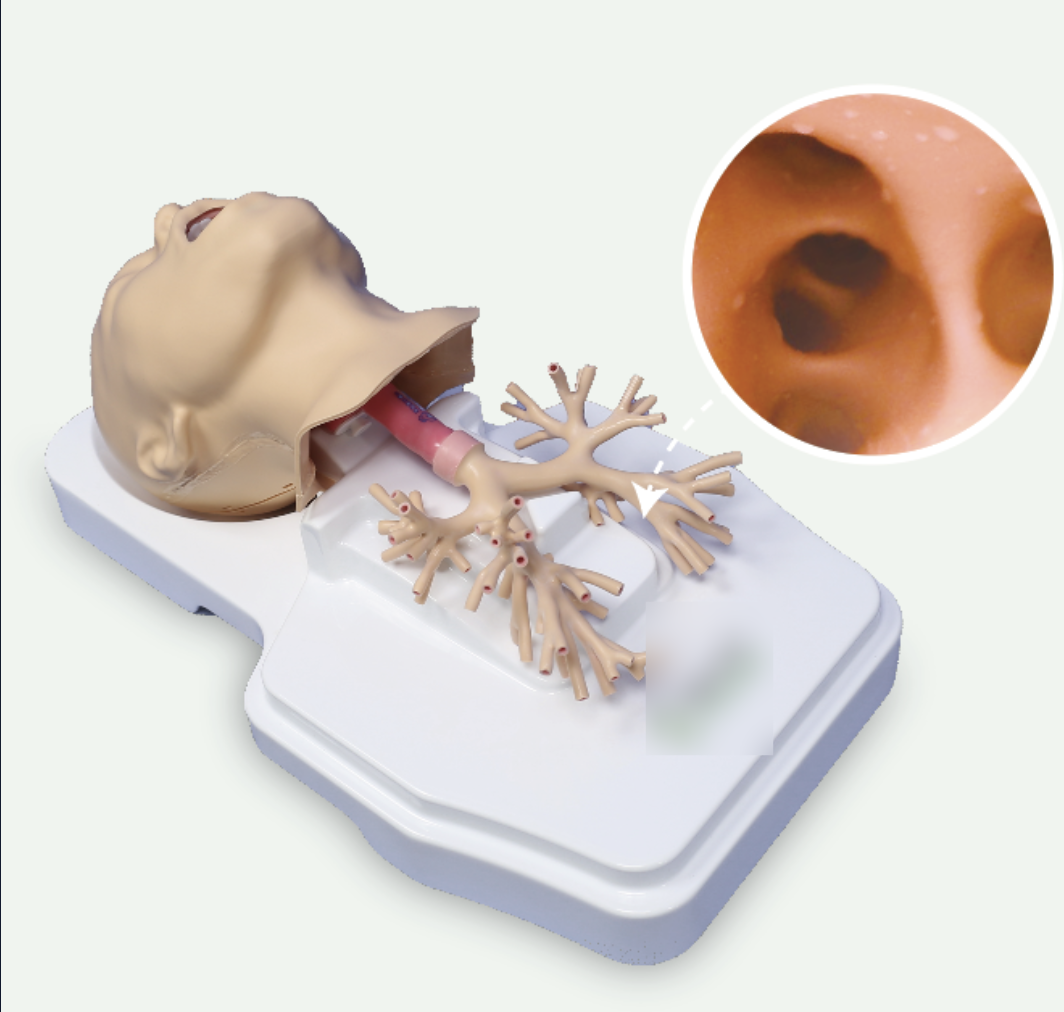
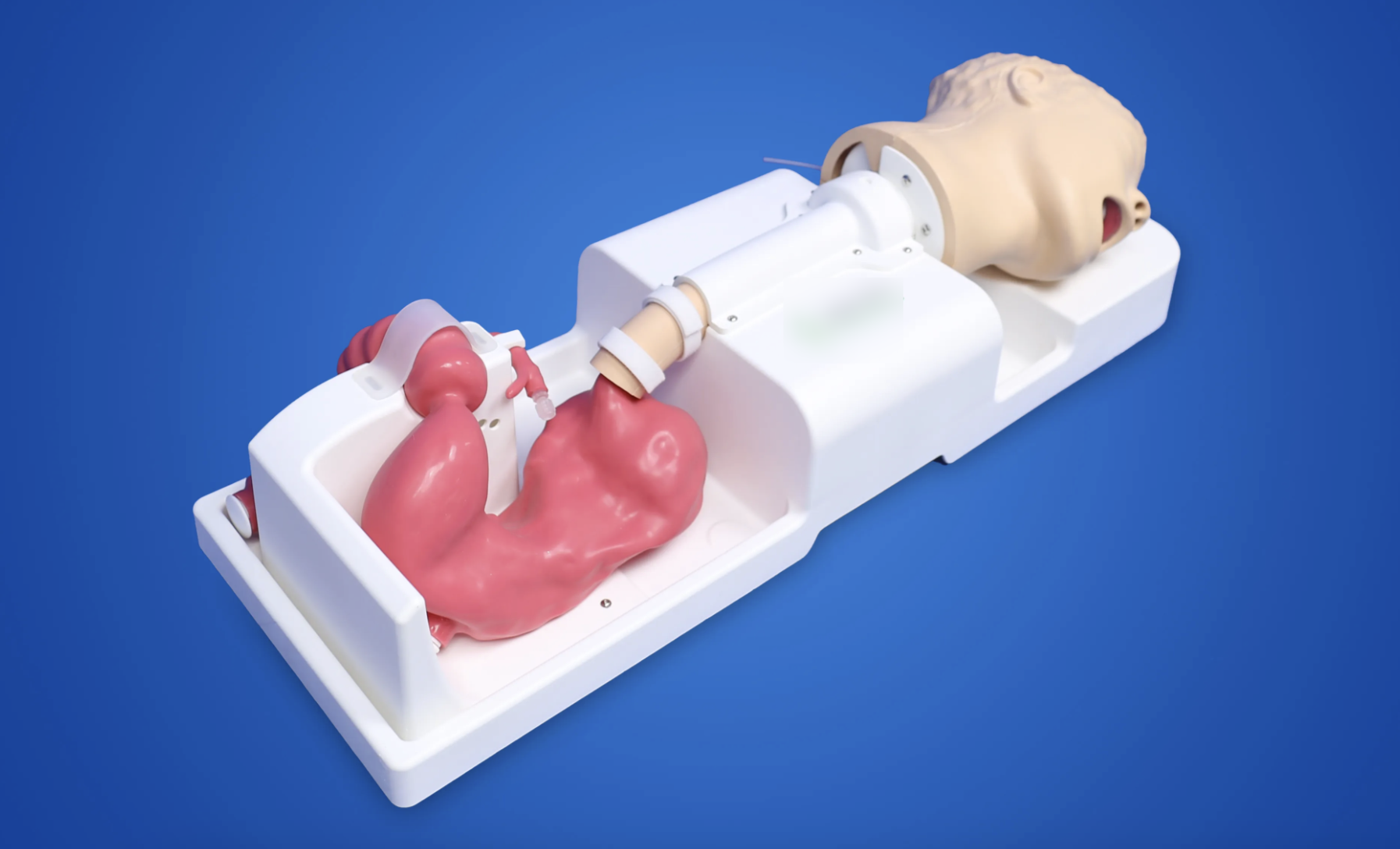
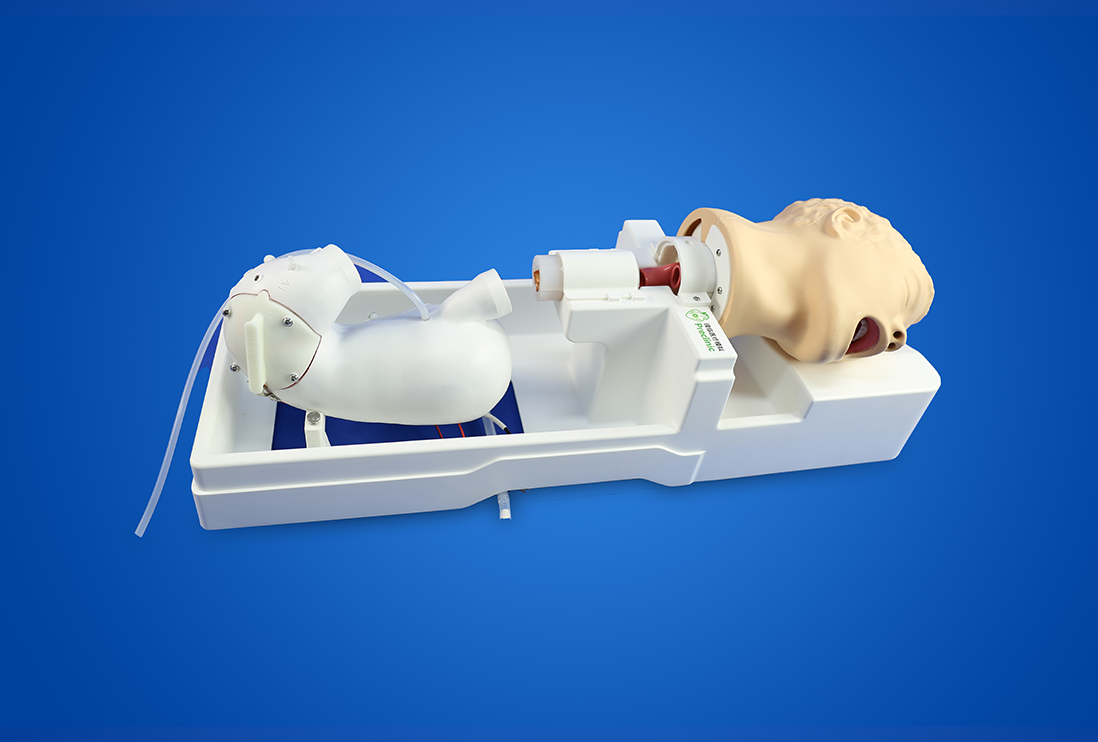
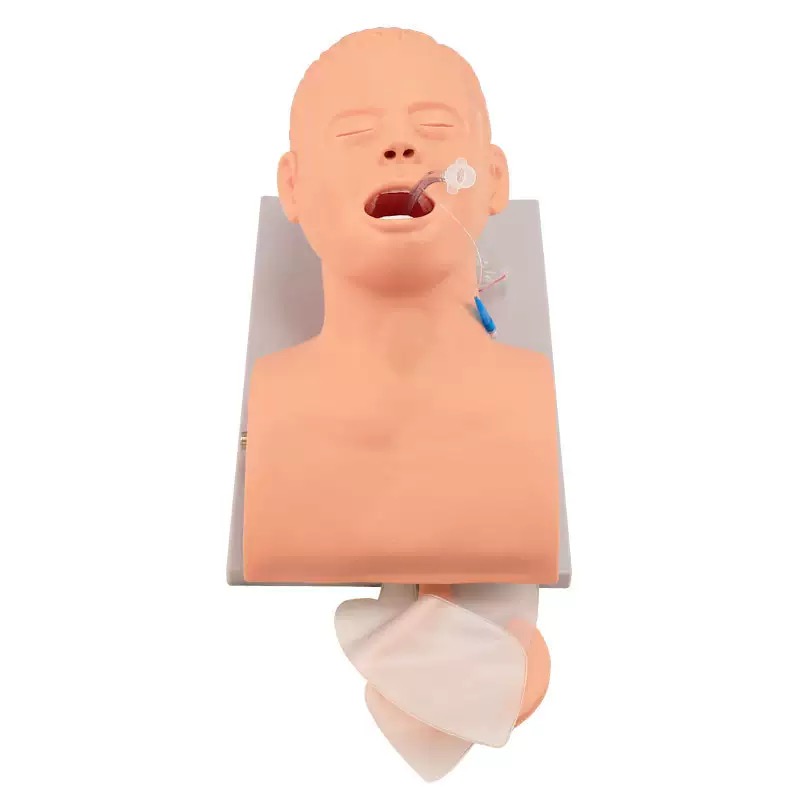
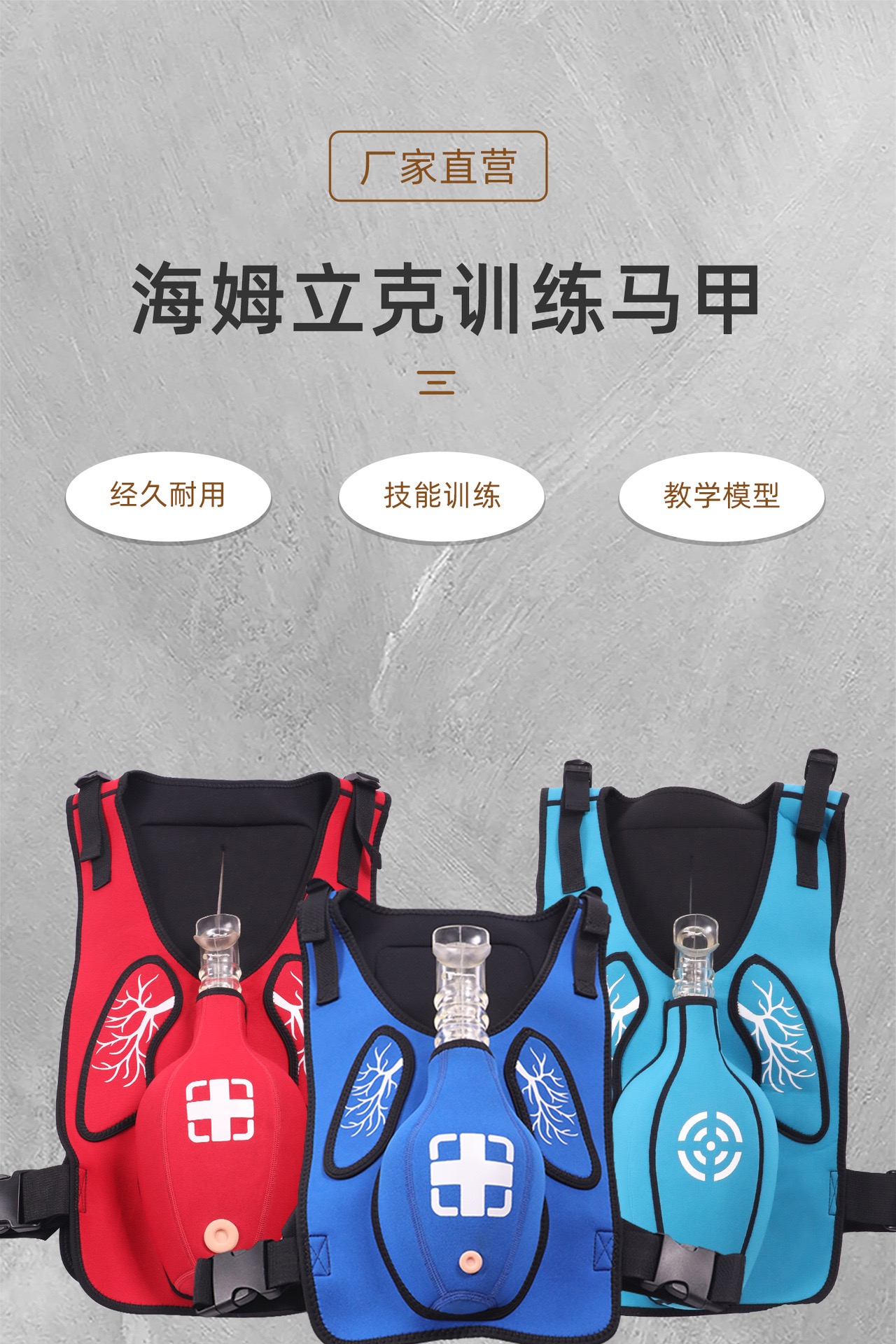
| Task Trainers | Suture pads, IV arms, Intubation heads | Mastering specific, repetitive psychomotor skills (e.g., venipuncture). |
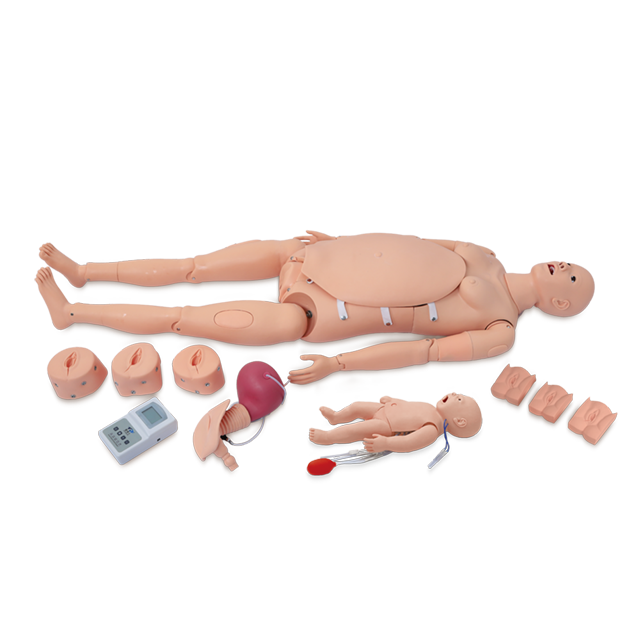
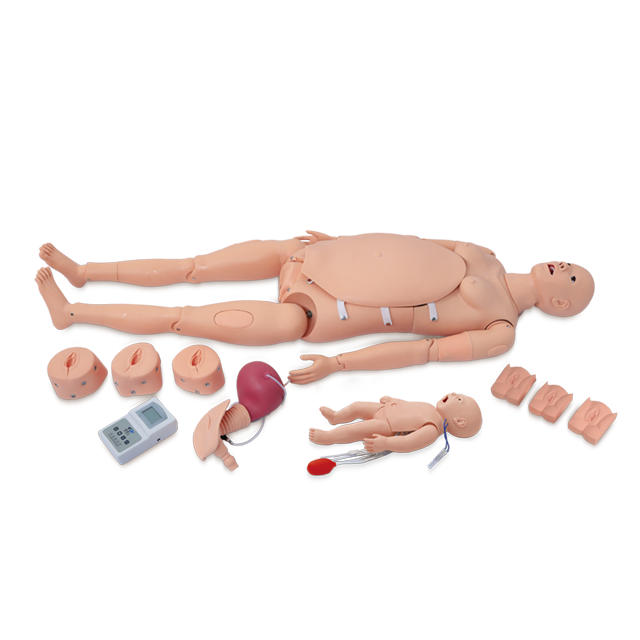
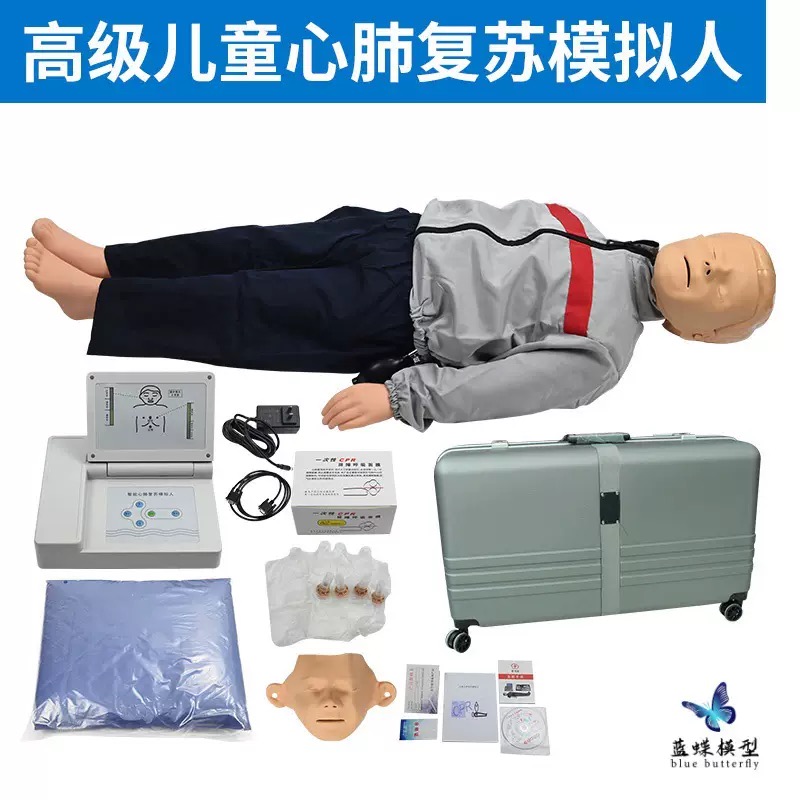
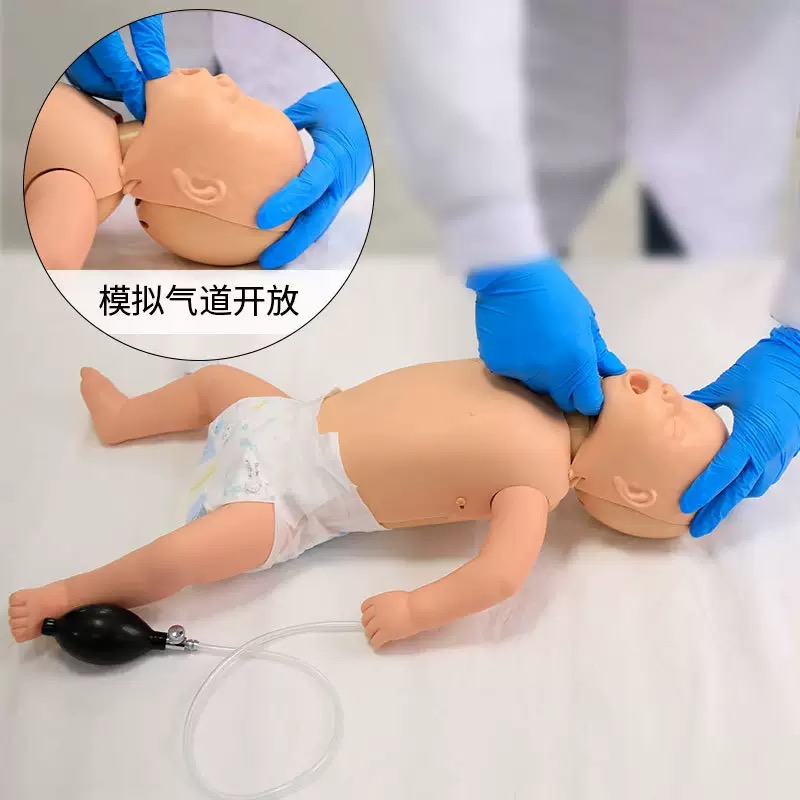
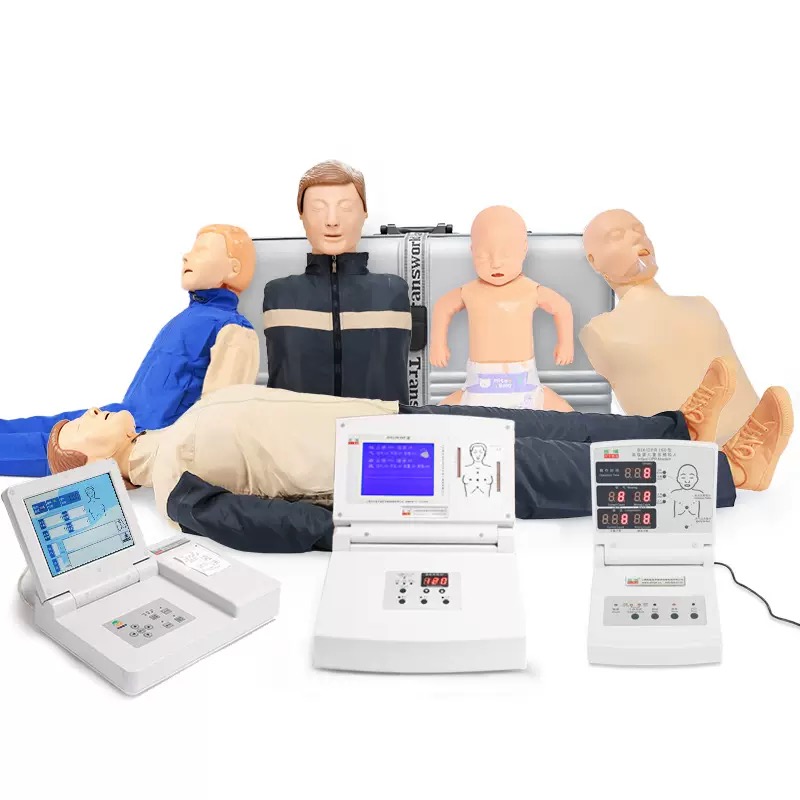
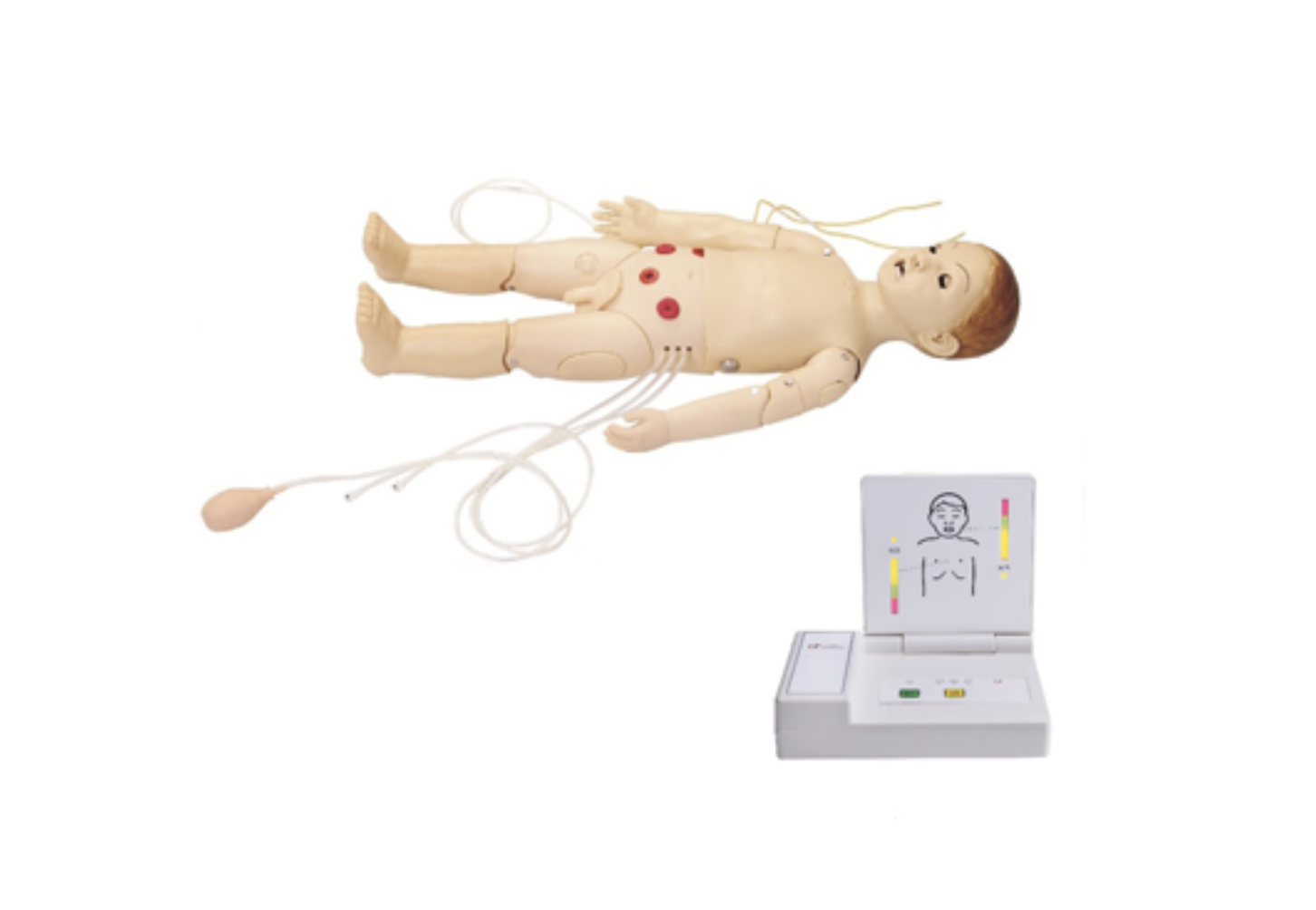
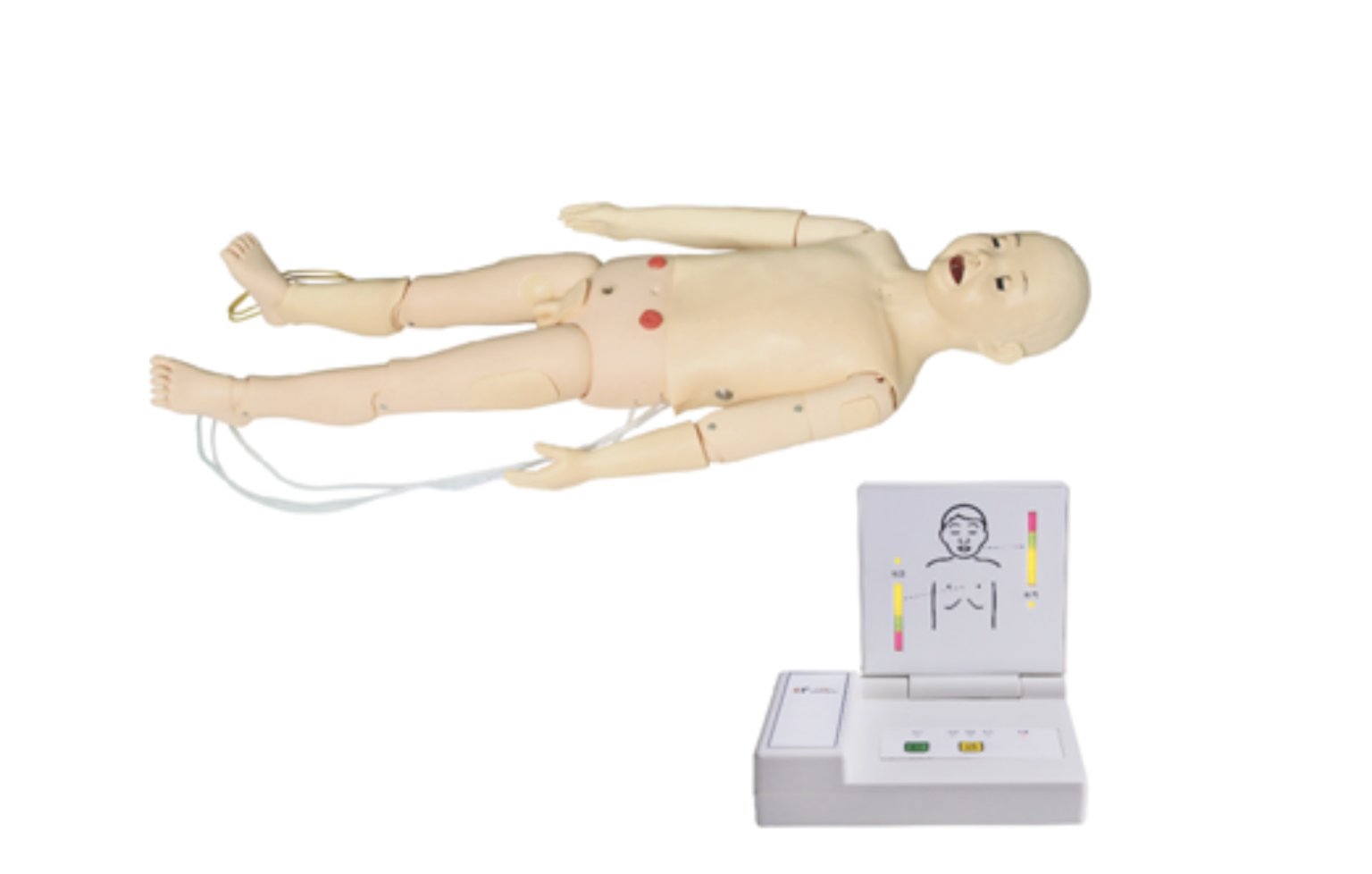
| High-Fidelity Manikins | Wireless tetherless adult/pediatric simulators | Team-based crisis resource management (CRM) and advanced life support. |
| Virtual/Augmented Reality | VR Surgical Simulators | Practicing minimally invasive surgeries (Laparoscopy, Endoscopy) with haptic feedback. |
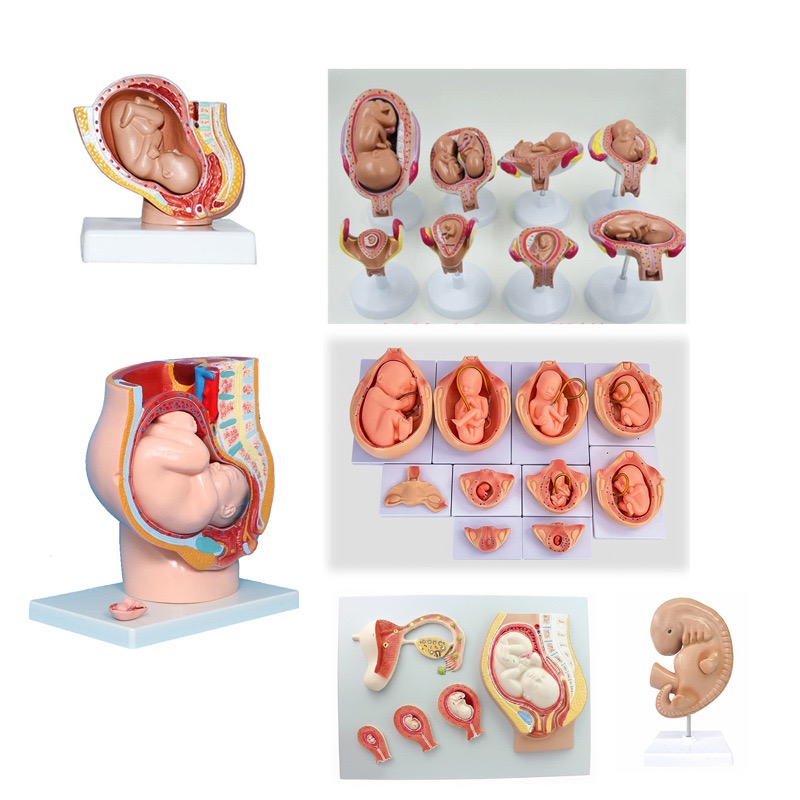
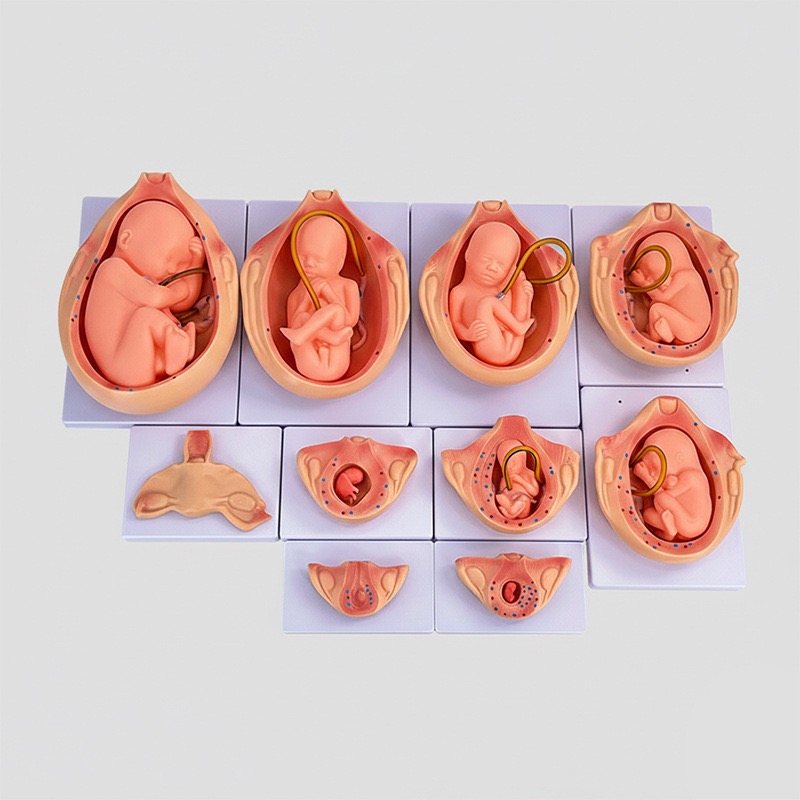
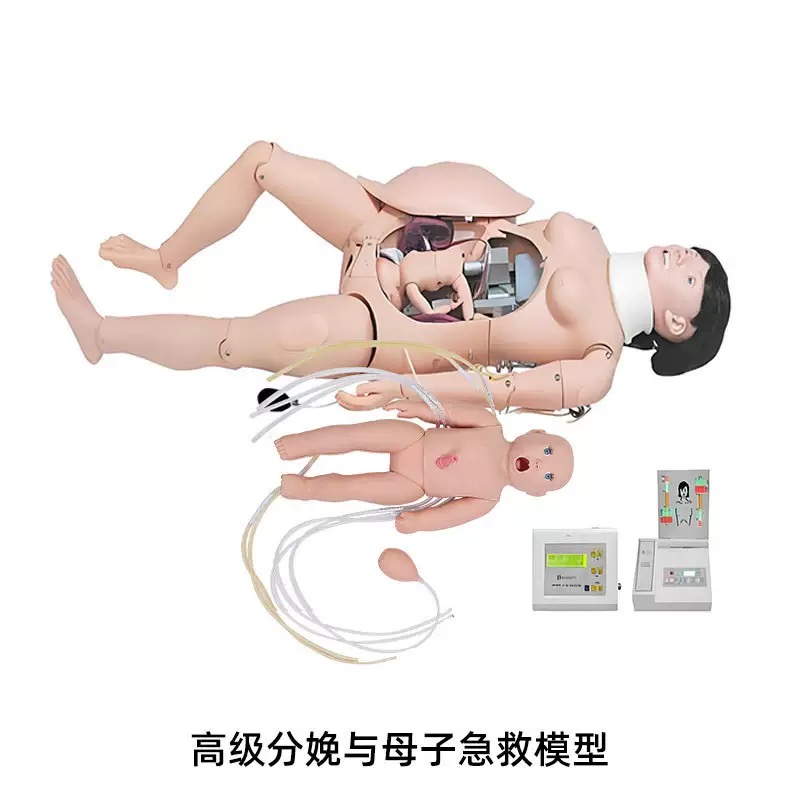
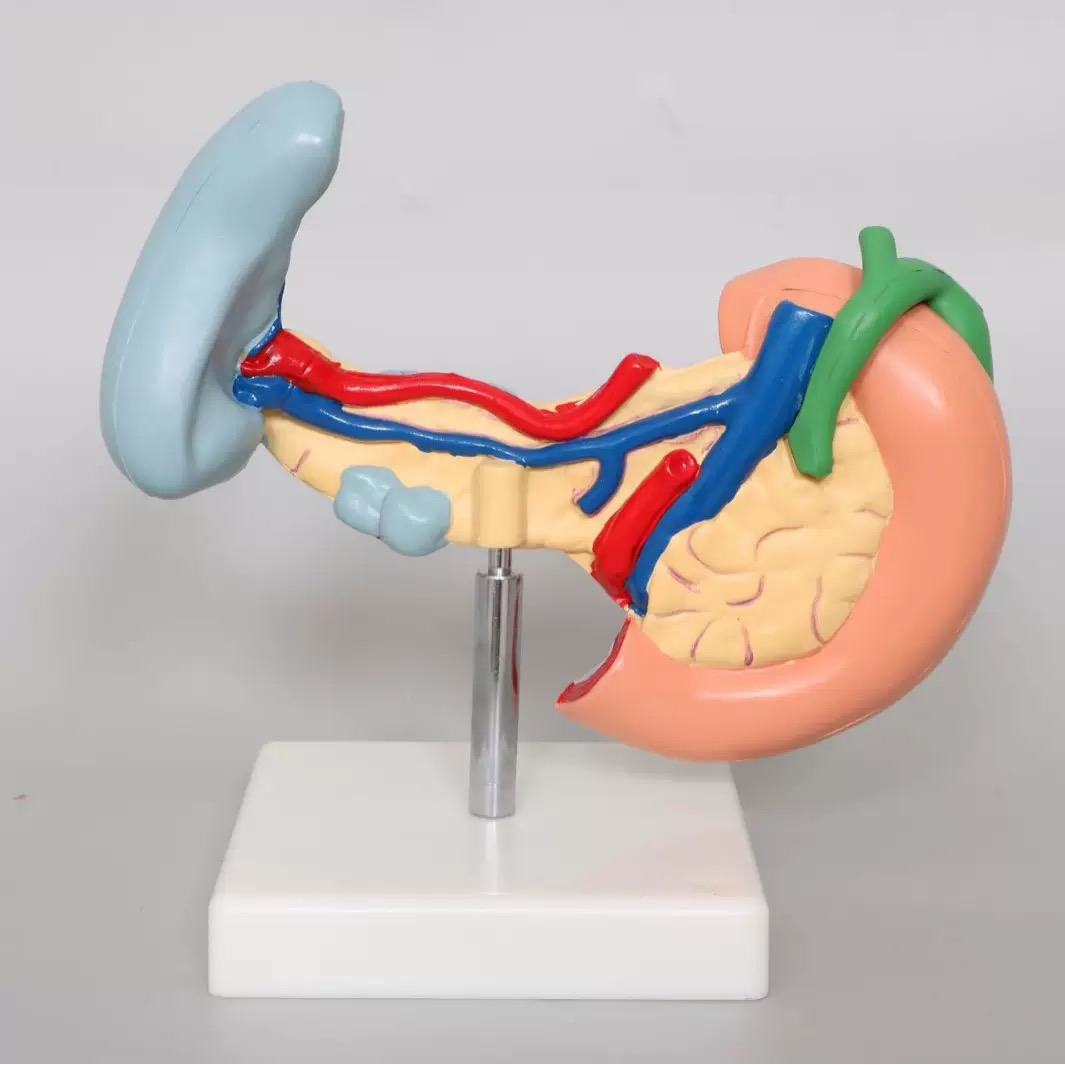
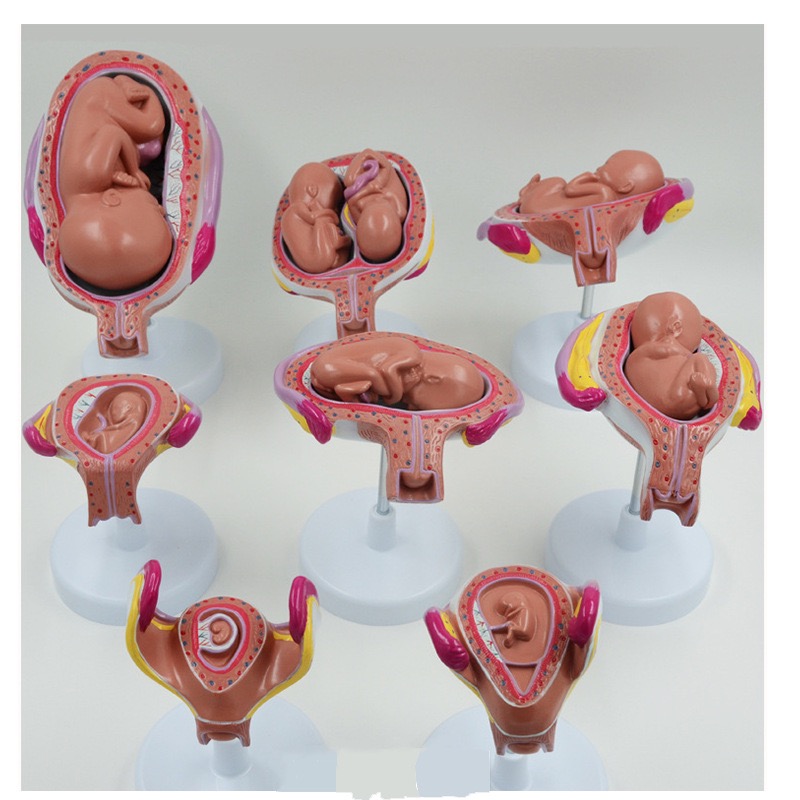
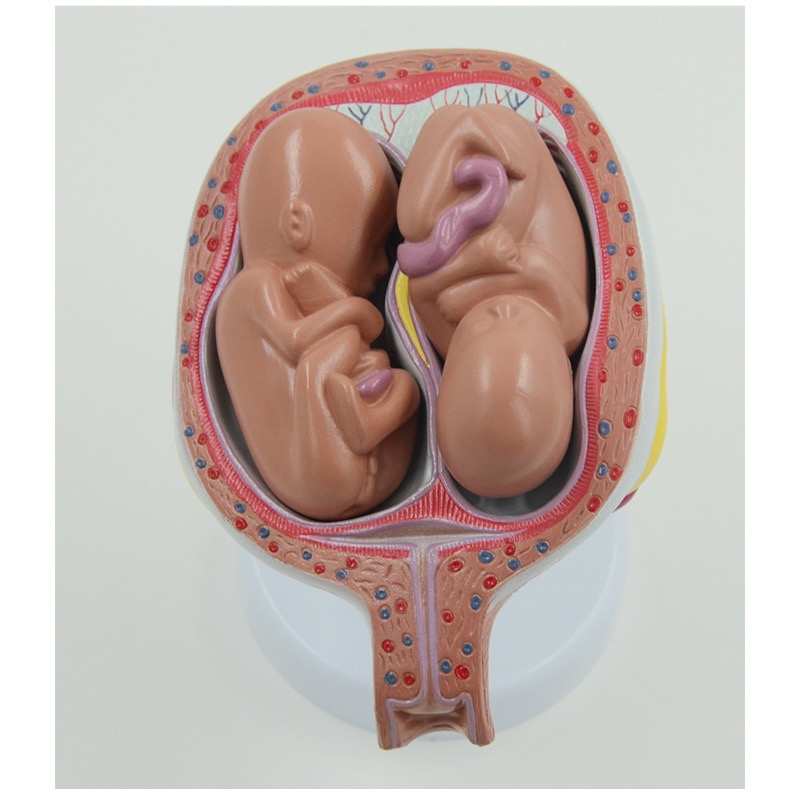
| Specialized Trainers | Birthing simulators, Trauma manikins | Replicating high-stakes, low-frequency events like postpartum hemorrhage or combat casualties. |
3. Environments of Use
These products are deployed across the entire spectrum of medical training:
-
Simulation Centers (Sim Labs): Dedicated facilities within hospitals or universities designed to look like real ERs, ORs, or ICUs.
-
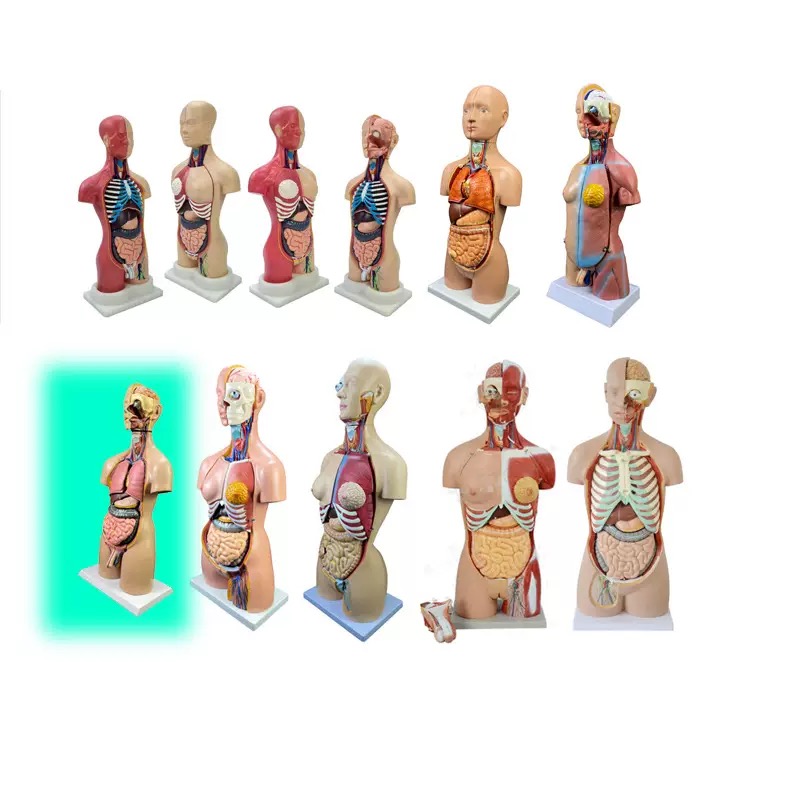
Academic Institutions: Used in medical and nursing schools to bridge the gap between textbook theory and clinical practice.
-
Military & EMS Training: Ruggedized simulators used in field exercises to prepare first responders for pre-hospital care under pressure.
-
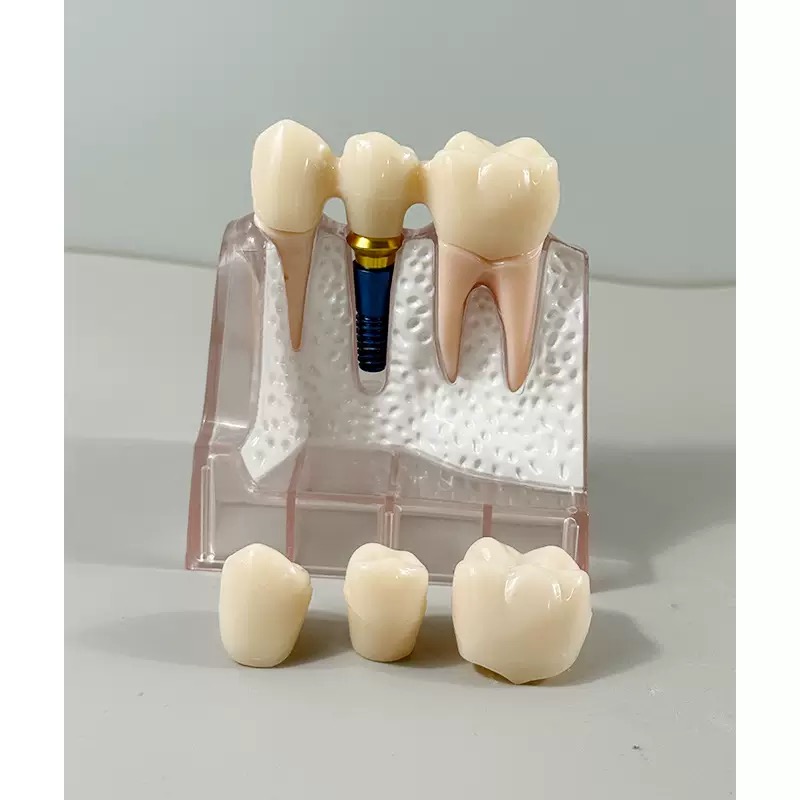
Medical Device R&D: Used by engineers to test the ergonomics and efficacy of new surgical instruments or implants.
4. Core Value: Patient Safety
The guiding principle of medical simulation is “To Err is Human; To Simulate is Divine.” By allowing practitioners to make mistakes on a plastic model rather than a human being, simulation significantly reduces clinical errors, improves team communication, and ultimately enhances patient outcomes.